I'm an artist, writer, and a lover of thoroughbreds. I was born and raised in horse racing, and now I wish to help rehome them, educate people about how fantastic they are, and show what they can do.
If a horse can find a way to hurt himself, he’ll go all out.
Part 1
Things have been a bit rough horse wise. It all started on July 4th way before the fireworks started. The heat was a bit oppressive, and the horses were grumpy. As I gathered their buckets I saw it happening, and there was nothing I could do to stop it. Chaco pinned his ears and bit Dulce hard on the hock, and Dulce responded with a left hook.
Chaco took one to the jaw. Swelling is all gone now, and this hasn’t slowed him down a bit.
Chaco immediately ran straight for me when I saw the mark on his face, a little bit of blood dribbling out the side of his mouth, and Dulce following him. Dulce clocked Chaco on the right side of his jaw. I think Dulce knew he hurt him, and he immediately felt bad about it. I got them separated, and looked inside Chaco’s mouth to see if there was any damage. His cheek quickly became the size of a softball, so I couldn’t see anything. I ran into the house, got a bag of ice, ran back and held it to his face. There wasn’t much blood considering how vascular this area of the face is blood rich, and within a half hour he stopped drooling and began eating as if nothing happened.
I iced the heck out of it for twenty four hours, palpated it, and he is good. No teeth luckily were involved, and he shows no signs of pain while palpating the heck out of his jaw. All of the swelling is gone, and I’m hoping they both learned from it? Probably not.
Then last Sunday I went with Bill into town, and I came home to this:
Uggh. Of course I was going to ride him this week….sigh. I guess he gets another month off.All cleaned up and sprayed with Underwood. This is right before I apply Baking Powder.
Bill and I replaced and fixed our fence for the horses 4th of July week. There was one spot that we didn’t address, because we didn’t see any problems with it. Well, Chaco decided to show us that there was. I came home to find dried blood that ran down his neck and leg covered with flies. Usually one thing at a time happens to a horse, but not two things within three days of one another.
I ran into the house, created a betadine mix, ran back out and scrubbed the heck out of it three times making it bleed each time. I wanted to make sure I got everything and anything out of there. I then found my bottle of Underwood and sprayed it all over the wound and covered it with baking powder, which acts as a bandage. Not one fly could be found. I’ve healed several bad wounds with Underwood successfully, and it is famous for healing wounds that people think can’t be healed. I highly recommend it.
The next day I decided to take Chaco to the vet to get the wound looked at when everything fell apart. What I hoped I’d never see again, was right there in front of me as if to say, “You’ll never escape me.”
Chaco and I never made it to the vet. Instead Dulce went.
——————————-
Part 2 of this blog will be about Dulce, and how what happened with him nearly struck the both of us out.
Thank goodness no one was on the road this morning, because I can drive down the middle of the road. I have Chaco in my horse trailer behind me, and if I make one wrong move, we both could go over the edge falling 1,000 feet straight down. There are no guardrails in this stretch; a sheer rock face on one side, and a straight drop on the other. This is Colorado, and normally I love this drive, but one of the loves of my life was depending on me to not make any mistakes. The road is narrow, and I’m driving a 3/4 ton truck with a horse trailer, both of which take up the entire lane.
—————————————
As you know Chaco had surgery to remove three huge chips from his stifle. The chips caused a lot of cartilage damage, and his surgeon suggested that I get IRAP injections for him. Problem is it is a series of five injections over five weeks. Another option was Pro Stride, and that requires only one injection and can last for close to a year.
I hate the idea of injections. Growing up in horse racing, I saw other people misuse this practice to make their horse appear sound. They used cortisone, which also can cause laminitis. IRAP and Pro Stride do not use cortisone. Instead, what is injected is created from the horse’s own blood. The only main side effect is pain from the injection, and it prevents further damage of the cartilage from inflammation caused by movement. I don’t want to mask anything, but I want to prevent anymore damage. Chaco deserves all the help he can get; he deserves it.
How and why does it work? Pro-Stride concentrates the blood’s natural anti-inflammatory proteins. When this highly concentrated solution is injected into a joint, it binds and stops the inflammatory proteins that are causing pain and cartilage destruction. It can be injected into a joint that has previously been injected with steroids, and since I have no idea if that ever happened, it made Pro Stride a possibility. Also, it only takes thirty minutes for it to be created and injected, which makes it even more appealing.
The main problem for Chaco and I has been weather. We got record snowfall this year with a record amount of avalanches. The only vet I could find that did it on the Western Slope is based in Durango, three major passes and narrow roads away. Every week I checked the weather, and almost every single day it snowed. People told me stories of semis swerving on icy roads. May comes along, and when the weather should be turning to rain, it is still snowing in the mountains I was feeling desperate for Chaco, because every now and then he got sore. I stopped riding him, and all I thought about was going to Durango to get this done. Finally, a week after Memorial Day there was an opening. Sunshine for four days. I called Durango and got an appointment. The other direction to Durango was buried in a huge rock slide, so going over Red Mountain was my only option.
We headed out early on a Tuesday morning, and my stomach swished side to side as if I were on choppy seas. It wasn’t about the drive as much as it was about what Chaco and I were about to do. I didn’t want him to hate me. He and I have gone through so much together, and now I was going to let some man stick a really long needle into his joint. Uggh!
Luckily, no traffic, so we navigated the narrow roads and the many hair pin turns with ease. One day I need to count how many turns there are, but you can only go 20mph max through the turns. With Chaco back there, we went 15. I didn’t want to stress his joint. We descended into Silverton after passing several areas covered with avalanche debris. Four cars in front of me turned around and headed back to Ouray after seeing the debris fields.
In Silverton, I tried to get him to drink some water, which I knew he wouldn’t do. I climbed into the trailer to check on his legs and to pet him for a bit to make sure he knew all was okay. After my last attempt to get him to drink, we headed back to the road and over the next two passes. Again, we encountered hardly any traffic, so the drive was stress free. As usual Durango was filled to the max with traffic and people driving way too close to the horse trailer. I tried to not yell at them as we headed east of town towards the vet.
Chaco checking out the scenery in Silverton
The vet has his offices in the hills and his road is filled with beautiful pastures and horses. I found his place easily but not him. No answer at the door. I finally called, and found out he was in the back. I quickly unloaded Chaco who was very excited to get out. Chaco kind of forgot that I was on the other end of the lead rope, so I had to zig zag him around until he remembered me. He loaded into the stocks easily, and this is when I thought I might throw up. I could tell he was nervous the moment the gate closed. All I did was focus on him, petting him, stroking his head and neck telling him that I loved him. Slowly his head dropped into my chest, and I held his head.
The vet pulled his blood easily, and put it into the device that separate the platelets. I kept talking to Chaco letting him know that I was right there with him. The vet then pulled out the platelets, and I helped him with the next step. Back into the machine it went, but his time for only 2 minutes. Again, I helped him get the injection prepared. I held Chaco’s head as he injected the fluid. Chaco fought it. I can’t imagine doing this five times for an IRAP. Finally, we got him still enough that the vet was able to get it all into his stifle. He let him out of the stocks. and Chaco and I both were covered in sweat.
Loaded in the stocks Drawing bloodThe machine that separates the plateletsThe vet withdrawing the platelets after the first round. There was another round after this.
I was shaking and Chaco was exhausted. I loaded him back in after visiting with a couple of horses. I then helped the vet learn how to run his new credit card machine, and then finally we headed back over the three passes, hair pin turns, and narrow roads again with little traffic.
When we got him, he had to be on small turn out for the next three days. I felt his leg, and there was no heat. However, he was sore, which is no surprise from the shot and dealing with the drive. I ran cold water over his leg for a bit, which he seemed to like. He was thrilled to be back with Dulce and Harley albeit separated by a fence.
The next day I noticed he was still sore, so I turned him out on a small amount of pasture to walk around and get those muscles and tendons moving, and I ran more water over his leg. After time on the pasture, he walked much better. After three days, I noticed he was finally putting all of his weight on his right leg and resting his left. Yes! I turned him out with Harley and over the next few days brought Dulce back into the mix.
He has since galloped hard with Dulce several times, and no soreness yet. I think this was the right thing to do, although I still haven’t ridden him. I’m pretty nervous about it. My plans for Chaco are to do a lot of trail riding, which he loves. I don’t plan on competing in anything with him. He has given so much of himself to horse racing for several years of his life. He is actually considered a war horse, because he started thirty six times. It’s time for him to do what he wants, and that’s trail riding. We’ll see how it all goes. I know he’s bored just being turned out on pasture, so it is time for me to get over my fears and concerns and climb back into the saddle with him.
Part 2
After writing this, I watched Royal Ascot. There is nothing like watching Ryan Moore and Frankie Dettori, two of my favorite jockeys, to give me the courage to go outside and get on Chaco. Jockeys have always encouraged me to ride, and even though they are across the Pond, they still do.
I headed out, pulled my saddle out for the first time in three months, and caught Chaco. Caught…that is so funny. All I have to do is walk into the pasture, and he walks up to me. We did a bit of work together, and then I climbed on. Most horses you can’t do that with. You need spend a few days doing groundwork before you get back on after a long time off. The thing is I trust Chaco with my life, because I know he will always take care of me. We ponied Dulce for the first time, and they worked so well together. No matter what I ask of Chaco, he does an excellent job at it. People tell me how lucky he is that I took him in, but they got it all wrong. I’m the lucky one. I’m the lucky one.
One day while going through Shandoka’s pedigree, I came across a name that took my breath away; Count Fleet. “No way,” I whispered to myself. Count Fleet raced long before I was born, but that didn’t mean I didn’t hear about him. After Count Fleet died at the age of 33 not long after Secretariat won the Triple Crown, my grandpa decided to tell me a story. He started it off by saying, “Before there was Secretariat, there was Count Fleet….”
Count Fleet was born on the Stoner Creek Stud Farm outside of Paris, Kentucky where he was bred and raised by the Hertz family; the rental car magnate. He was a small colt that didn’t impress John Hertz at all. The Count, as he was known, was out of Reigh Count, who won the Kentucky Derby in 1928. Reigh Count as a sire was known for producing colts of stamina without a lot of speed, so he became an unpopular sire. Hertz decided to only breed him to four mares a year that were all speed. One of those mares was Quickly, a sprinter, and the two of them created Count Fleet.
First impressions aren’t always accurate. He was a small colt, and as he developed, he was narrow, looked more like a filly, and flat muscled with a lot of leg. He also had an interesting personality.
Count Fleet stopped munching a mixture of clover, timothy and alfalfa to take a playful nip at his exercise boy at Belmont Park today and Trainer Don Cameron’s eyes glowed as he looked at the wonder horse of 1943.
“He’s a big fake,” the ruddy-faced Scotsman smiled. “He wouldn’t hurt a baby. Watch.”
Cameron shoved a ham-like hand into the stall and the Count flashed his big teeth toward them like a man without a ration book diving into a steak. Inches away the mouth closed and the shiny brown horse nuzzled Cameron’s hand with his velvety nose.
“See what I mean?” Cameron asked. …
– Oscar Fraley (UP), Nevada State Journal, April 4, 1944
There were many stories of people going up to his stall, how he would walk up to them and let them pet him, and as soon as they turned their backs to walk away, he would give them a strong push down the shedrow with his nose.
The great, and one of the best jockeys of all time, Johnny Longden, said in a biography written by B.K. Beckwith, “He was not, you understand, a mean horse. Just one full of the devil with a mind which was very much his own.”
My grandpa always said that the great horses know exactly who they are and what they can do. If Hertz would have spoken with my grandfather, maybe he wouldn’t have even considered selling him.
“He didn’t really have the look of a top prospect then. He was medium size-about fifteen hands three inches-and, though he was deep in the girth and had a good shoulder, he was weedy behind. As a two-year-old he looked more like a filly than a colt. And those rough, unpredictable manners of his didn’t exactly endear him to anyone,” explained Longden to Beckwith.
In Hertz’s autobiography, Hertz recounted the following story:
Sam Ransom…was the first person on his back. … Ransom was drafted into the Army. Before leaving, he came into my office to bid me good-bye, and on that occasion said to me, “Mr. Hertz, don’t ever sell that leggy, brown colt. He has tried to kill me in every way I know of, not out of meanness, but he sure has brushed me up against every tree and barn on the place that he could. Mr. Hertz, when that leggy, brown colt wants to run, he can just about fly!”
– The Racing Memoirs of John Hertz, as told to Evan Shipman 1954
Longden took him out for a work on the Belmont track and somehow the work didn’t end in tragedy. One day, with his mind set only on running, the Count headed straight for two horses coming right at him. “Somehow I managed to steer between them, but how I’ll never know,” said Longden to Beckwith.
After this story got around the backside of the track, Hertz decided to sell him deciding he was too dangerous of a horse. Asking price was $4,500; some say $3,500. Longden was at the barn, when the Count was brought out for another trainer to look him over. Longden immediately hopped on his bike and rode to the nearest pay phone where he called Hertz begging him to not sell. After a discussion where Longden assured Hertz he wasn’t afraid of the horse, and that he was something special, Hertz took the Count off the market. The rest is history. In 21 starts, he won 16 times, with four times placing second, and one time placing third; he never finished out of the money.
When asked why the Count lost those other races, Longden said, “He beat himself. He never should have lost a race, but he was a tough customer to handle, green and rough in those early starts, and you couldn’t take a hold of him-you couldn’t even properly guide him. You had to let him run, and if he didn’t have racing room, he’d go to the outside or just climb over horses. If you were in close quarters with him, you were in trouble.”
For instance, Count Fleet was expected to with the Futurity at Belmont easily. However, his amorous ways got the best of him. Longden explains:
“He broke alongside Askmenow, the Hal Price Headley filly. I called on the Count for speed, but he was not interested. He was flirting with a glamour girl. He kept alongside Askmenow, nose and nose, and nothing interested him except to remain in her companionship. If she spurted, the Count would spurt with her; if she slowed stride, so did he. I tried everything that was possible to end her fascination and pull away from her—but nothing helped.”
Despite being a flirt and not always willing to work with his jockey, he won ten of his sixteen races during his two-year-old year. Even though he lost five times, he completely dominated the horses he faced often beating them by four to six lengths. He entered his three-year-old season as the favorite to win the Kentucky Derby and the Triple Crown.
Due to World War II, the Kentucky Derby almost never happened. War changed the landscape. Traffic on the railroads was jammed, and talk of ending racing for the duration of the war floated across the country. The Kentucky Derby had been run continuously since 1875 thanks to Matt Winn who ran Churchill Downs. He was asked if he intended to keep it going despite the war, and he said that he would even if there were only two horses in the race.
In February of 1943, Joseph B. Eastman, chieftan of the Office of Defense Transportation, issued a statement pointing out how traffic conditions had worsened. He asked that all unnecessary travel be abandoned including the running of the 69th Kentucky Derby. Matt Winn worked with the OFDT discouraging out of towners from coming to the race, but remaining committed to keeping the race going. It thus became know as the “Street Car Derby” as locals took the street cars to the race. The expectation was that there would be a low turnout, but somehow just under 65,000 people showed up to watch the Count race.
However, in the Wood Memorial, his prep race for the Derby, a portion of his left hind hoof was nearly torn off. They had to remove it and packed it with sulpha drugs. Longden was so concerned about The Count that he rode with him on the train to Kentucky while packing the injury with ice. Luckily, he healed in time.
He won the Kentucky Derby after being boxed in and facing a couple of light challenges. All Longden had to do was cluck at the Count, and he took off winning easily by three lengths. After suffering from a second injury in as many races that wasn’t deemed serious, he shipped to Pimlico.
There was a slight challenge in the Preakness. New Moon broke out of the gate with the most speed, but Count Fleet quickly overtook New Moon to win easily by eight lengths. He demolished the track and his competition. He even went wide in the turn with ease not losing a step or tiring a bit. This is a horse that grabbed hold of the bit and ran; not because Longden hit him with the whip or forced him to go. He ran because he loved it.
“They’d (his competition) get dizzy trying to stay with him, and the rest would be easy,” explained Longden.
Did he rest for the three weeks between the Preakness and the Belmont? Not at all. He raced in the Withers two weeks after the Preakness and one week before the Belmont. How could he do this you ask considering no modern day horses can? Back then horses didn’t run on Lasix. They were able to recover much faster after a race, and no they didn’t drown in their own blood. Man o’ War took the same route to the Belmont after racing in the Preakness.
The Withers was a mile, so it is a good prep race for the Belmont. It gave Count Fleet a chance to blow out his pipes, help him relax, and get him out of his stall. He faced only two other horses on a muddy track, went off at 1-20 odds, and won with ease by eight lengths.
The Belmont is where we are made completely aware of his sheer power and will. Lots of horses need to stay with their competition, otherwise they get bored, their attention wanders, and they slow down until their competition catches up. Count Fleet never needed another horse to get his blood going and his racing hooves flying over the surface. The Belmont proved this.
Sid Feder in an Associated Press recap story published in the June 6 edition of the Tallahassee Democrat said it best, “From end to end, any resemblance between yesterday’s Belmont and a horse race was purely coincidental. When the gate opened, jockey Johnny Longden sent the Count charging right out and away from the others, and all the way ‘round he lengthened his edge with each stride.”
He won by 25 lengths, although the New York Times stated it was by 30 lengths. The Count unfortunately got hurt in this race. Longden explained, “He fractured a small bone in his left front leg. I felt him bobble in the long stretch and knew he had hurt himself. I started to pull him up but he’d have none of it. He just grabbed the bit in that bull-headed way of his and took off again. He coasted home by some 30 lengths.”
Count Fleet’s margin of victory was a staggering 25 lengths . The length of victory held until Secretariat ran his Count Fleet Belmont winning by 31 lengths. His time of 2:28 1/5 was a new stakes record to be tied by Citation in 1948 and finally broken in 1957 by Gallant Man.
Unfortunately, the next day Count Fleet was so sore they couldn’t get him out of his stall. Some say that he hurt his fetlock, his leg or his knee. Some say that the injury involved a tendon and the limb was fired. What is known is that the country waited in hopes that the Count would return to racing only to be disappointed. After reaggravating the injury, the Hertzes retired Count Fleet to stud at their farm in Kentucky; where he was born. He went on to become a very successful sire, and his blood runs through all three of my thoroughbreds.
In Racing in America 1937 – 1959, Robert Kelley wrote a chapter called “The Year of Count Fleet” and said:
This year in Thoroughbred racing (1943) will always be remembered as “Count Fleet’s year.” And that is an interesting thing, for Count Fleet ran only six times during the entire season and he was out of action before the end of June. Not in modern years has there been a greater impression left on racing people than that left this season by the son of Reigh Count out of Quickly.
Count Fleet’s sophomore year was like a skyrocket flaring across the sky to reach its climax of blinding white, then suddenly blacking out. Man o’ War and, in later years, Citation had somewhat the same effect on the sport. But the shortness of this one, with complete dominance over racers of all ages and sex, is almost without parallel in the Thoroughbred annals.
Here is a quick video biography of Count Fleet.
Was Count Fleet a super horse? Does he deserve to be mentioned in the same breadth as Man o’ War and Secretariat? I believe so.
Longden, recounted in “The History of Thoroughbred Racing in America,” says it all:
“The only jockey to ride the Hertz colt in a race, Longden also exercised him at times, and he later stated that once, just once, he turned the brown flash loose for an instant, to satisfy his curiosity concerning how fast Count Fleet really was—but he felt such a surge of power that he took him in hand again almost immediately, fearful of the consequences.”
Count Fleet lived to the age of 33. Assault, another Triple Crown winner died in 1971 leaving Count Fleet to be the last of the Triple Crown winners to be alive. Some say that he was waiting for another horse to win before he left this world, and the horse that came along won and raced like he did; the amazing Secretariat. After failing to stand for two days, he died from an apparent blood clot on December 3, 1973 only a few months after Secretariat won the Belmont.
When Longden was asked who was the best horse ever, he responded emphatically Count Fleet.
“I guess it’s no secret the way I feel about him. I’ve said it a thousand times-he was the best I ever rode and the best I ever saw. Maybe I’m prejudiced. because we won the Triple Crown together, but there was a horse who could do anything-go five-eights or five miles, run on a bad track or a good one, rain or shine, hell or highwater, it made no difference to him. Just give him clear sailing ahead, and I don’t honestly think the horse was ever foaled who could beat him.”
I thought Harley would be the problem child when I introduced Dulce to the herd. He was with Chaco; he was furious when I first introduced Chaco. This time around Chaco is the challenge. Or should I say pest? He never leaves him alone constantly nibbling on his hindquarters and legs, which causes Dulce to kick or buck…..ugh. I have two friends that lost horses because of introducing horses too quickly. Both times their horses ended up with broken legs and had to be put down.
So, part of the problem is me. Whoever says horses don’t get jealous, tell them to stuff it. Horses do. When Shandoka was alive, Chaco and Harley were never allowed to be around us when I was loving on him. He’d have none of that even though he absolutely loved them both. Now Chaco is acting the same way. Once I was loving on Dulce through the fence when Chaco charged him from out of nowhere, stuck his head over the fence and bit him. Chaco looked at me as if to say, “I’m protecting you.”
I’m working hard on mellowing out this behavior to prevent it from escalating. How? The crazy way. I get in the middle of them, and I move Chaco off letting him know that I won’t stand for it. How do I move him off? I hold up my hands and shake them towards his shoulders or face to get him to move away from that pressure never touching or hitting him. Believe it or not this has helped, and now Dulce is standing up for himself when it happens. It’s as if him seeing me do it gave him the courage to do it also. Chaco is a full hand taller than him, and he seems so huge next to Dulce at times.
What does Dulce do when Chaco can be too much? He hides behind me! How am I resolving that? Letting him fend for himself as much as possible, but also letting him have some alone time to relieve the stress of it…..or let him hide behind me every now and then.
The best way to get horses together in my opinion is to walk them together and to pony them together. I believe that when two horses start working together it changes how they approach one another. They become working buddies, and their dialogue changes somehow. It also teaches them that I’m the leader, so it takes some of the stress away from them both. When you show them how to work together, it carries over into turnout time.
The next best thing is to turn them out on pasture. They’re so busy eating grass that they don’t pay as much time focusing on each other. I have my pasture split up into three sections, so in the beginning I would put Chaco in one section with Dulce and Harley go in another. This way they could graze together with a barrier to prevent any horse racing or fighting. After they were on the pasture for an hour or two, I’d open the gate that separated them, and it usually went really well. The main thing for Dulce is to have a safe place to go if it all overwhelms him. I make sure he can come down to the dry paddock area if he needs a small break before he heads back up.
Did I mention that Dulce is completely barefoot now? The spot on his left front hoof has hardened after enough sole developed over it, and the quarter crack cracked off one morning. I was leaving the boots off for 12 hours a day, and then out them on for turnout time. During Kentucky Derby Day, it finally came off. No soreness, no bleeding, and he is walking perfectly. I turned Dulce out on the dry paddock one morning, and he went on a bucking and running spree a couple of days after this. The boot on that right hoof…well, look for yourself below. He is totally sound on both hooves as you can see in the video below.
He totally demolished it. I guess this was his way of saying he no longer needed it.
The hardest part is when I bring them down to the dry paddock. Chaco has cornered him a few times trying to get Dulce to play with him. That’s the main thing in all of this; Chaco loves to play. When I first brought him here, he was scared to death when Shandoka and Harley would play. He’d hide in a corner and watch the two of them gallop all over the place. Shandoka slowly drew him out. He’d let Chaco play with him at a level that he felt safe with. Usually, they’d stand in a corner, and they’d play nip each other around the nose. I remember the morning that Chaco fully took part in the morning play gallops with Harley and Shandoka. He came running up to me with nostrils flared, his head high, and so happy before he took off with them again. I think Chaco is trying to do the same with Dulce except he constantly nips at his legs and hips. He wants him to run and play with him even though it comes off as somewhat annoying to Dulce.
How are all my attempts working? Here are some pics. I’m so happy for all of them, and I may call Chaco and Dulce, Frick and Frack; the three of them the Three Amigos.
This was amazing. Ever since Shandoka died, he would never let Chaco into the barn with him. He let Dulce go in. Walking Chaco and Dulce togetherDulce and Harley grazing together Chaco and Dulce eating together
This just happened yesterday. Finally, Dulce and the other two played! It made my heart feel so happy for all of them. Chaco and Dulce resting togetherThis is a first. Dulce has always been too nervous to eat hay around Chaco and Harley.
I wrote this blog a few days ago. The other day, Dulce was taking a long nap. When he decided to get up, Chaco wouldn’t let him by grabbing hold of his fly sheet. I went out calling to Chaco who immediately let go. Dulce got up, and hid behind me while Chaco looked at me as if saying, “What did I do?”
Things have been trying here. Well, they’ve been frustrating to be honest with you. Dulce’s weight gain stopped two weeks after he got here, which some of you know. There are so many reasons for this. He has so much healing and recuperation to do from the mouth and hindgut ulcers he had. He also had three hoof abscesses before I got him. Two old ones on his right front and one newer one on his left front. The main thing was the food change. I will maintain this until the day I die; the change in hay made an uphill struggle become a battle.
What I haven’t been saying is the struggle with his poop became much worse. I mentioned it in one blog, but it never smoothed out. He would swing from almost normal to abysmal within fifteen minutes and then bounce over to decent and plummet back to several piles of diarrhea. One morning when I fed him, I noticed he no longer wanted to eat his flax/beet pulp mix that the day before he gobbled down within a few minutes. When a horse goes off his feed, it’s time to worry. He still ate hay as if it was going out of style, but that blue bucket filled with his version of grain ended up all over the ground several times that day.
I called my vet in desperation. Was it time to bring him in even though there was no fever, he was staying hydrated, and he ate hay? He went through things I needed to do. I had already done all of them but one; he wanted me to put him on Sand Clear. Sand and dirt can build up in a horse’s digestive tract over time causing all sorts of problems including colic and diarrhea. Sand Clear has psyllium in it, which is a high fiber laxative. It binds on to the sand and dirt and flushes it out of their system to sum it up in a few words. I put Shandoka on Sand Clear every month, and my other two boys get it. I think I was so focused on the fact that he had ulcers I forgot about this simple yet dangerous possibility. I ran into town, bought a bucket, and pondered how in the world I’d get him to eat it since he was only eating hay.
I made a mash of it with a little bit of honey, rolling small balls of it over crumbled dry hay cubes. It took me an hour to get him to eat his first dose. The next day it took me thirty minutes. The third day he was back to gobbling everything up on his own without a spec ending on the ground. His poop started to get more solid. Only once in awhile there was a pile of moosh, but for the most part there was improvement. On the fifth day he suddenly had several piles of diarrhea again within two hours. My only thought was that something was being cleansed out with the sand clear. After two hours, his movements became normal again. My wonderful, incredible vet was right; he needed to clear out his gut of dirt and sand. A couple of days after his last dose, his poop worsened slightly, but it wasn’t wildly swinging all over the place anymore. I measured him for weight, and he lost ten pounds. He went from 890 down to 880; not the direction I was looking for.
I did more research on horses that were underweight and how to bring them back. I was doing everything right and everything that could be done. The one thing that I couldn’t avoid was rapid change in diet. I had to transition him to Colorado hay a lot faster than I wanted. This rapid change disrupted his digestive tract and all of that wonderful bacteria in there. Even though I had him on a really good pre and probiotic, I put him on ProbioticWise by Wise Concepts. It is specifically for horses with the problems he is having, and it is helping smooth things out.
I also read how the organs of underweight horses shrink. Who knows how much healing has been going on within him this past month that he hasn’t gained weight. I’m thinking this organs were regaining their strength and size.
However, last Sunday, which was three and a half days off of the Sand Clear the poop hit the fan. I went into his barn when I saw this massive pile of poop. It was almost as tall as my knee and weighed several pounds. I knew what was coming, and I my stomach clenched; colic. Colic is what killed my horse Shandoka, and I felt like a deer standing in oncoming headlights; completely frozen until he exploded. A few seconds after the thought hit me, he went into stress. He began running and pacing nearly running me over twice. I tried to catch him only to get bumped hard until he gave in to me constantly following him. As this was going on, pile after pile of the worst diarrhea he ever had flew out of him. I tried to get his vein to inject some banamine, but it was impossible by myself. I couldn’t hold him while putting a needle into his vein, so I shot it into his mouth. We then walked and walked until he calmed down while piles of diarrhea kept coming abeit at a slower rate. Finally, the banamine won out, and he relaxed. I got out my stethoscope and listened for gut sounds. He had good ones in all four quadrants. I thought about calling my vet and tubing him, but I decided to watch for a little bit.
He went back to normal within fifteen minutes. He munched on some hay while coming up to me every now and then as if to reassure me that all was well. All of the diarrhea stopped, and the gut sounds got more and more normal. Did we go through another cleansing? I think so. I think something broke loose, and his body wanted it out.
An hour later, he had a pretty normal poop. Ever since that day, they remained around 80% of normal. I’ve changed his diet from hay pellets to hay cubes, which seems to suit him better, and he still gets his flax seed with a lot of beet pulp. We may not be perfect, but we’re pretty good.
Today showed me that we’re really doing okay. I went to measure his weight expecting no changes to find that he gained 25 pounds this week. He now weighs 905 pounds, and he has gained a total of 75 since I brought him home on April 2nd. We are finally out of the 800’s. We only have 150 to 200 more pounds to go!
He has a beautiful shine to his coat, which for me means we’re on the right path. His coat was so dull when he got here, and now it shines in the sunlight. He probably will plateau for a week or two after such a big gain, but that is okay. It is important to stay true to what is working and take it day by day.
He came out of the turn for home heading down the stretch when the unthinkable happened. The crowd gasped in sheer horror.
* * * * * *
When Afleet Alex was born, his mother didn’t produce any milk, and she rejected him despite all of the attempts by the breeder to get her to accept him. Desperation ensued as they tried to find a nurse mare for the foal. While the adults searched, the breeder’s nine-year-old daughter fed him from a sterilized Coors Light bottle faithfully until her father found a mare for the foal. Because of this, Afleet Alex always had a special place in his heart for children, and because of being bottle fed, he loved human comfort never becoming a typical stallion in demeanor.
The breeder, John Silvertand, was terminally ill at the time of his birth in 2003. Silvertand died in 2007 from cancer, but Afleet Alex helped him deal with all the difficult times ahead he said. This became a theme in this horse’s life.
A little girl named Alex had cancer, and she started a lemonade stand to raise money for other children suffering from the disease. It made national news, and then Alex died. Her parents started a foundation called Alex’s Lemonade Stand Foundation to honor their daughter and raise money to fight childhood cancer. That is when her parents got a phone call:
“I can remember when the phone call came in, my wife Liz took the call, and the person on the other line said simply:
“We own a horse that is pretty good, and we have been donating anonymously to Alex’s cause whenever the horse wins. Would it be okay if we kept donating, but go public with it?”
Because of that phone call, Afleet Alex and his owners helped publicize and raise money for their foundation. https://www.alexslemonade.org/afleet-alex-10-years-later. This is what horse racing is about; never forgetting your roots.
* * * * * *
Afleet Alex was bought at auction by a group of people called Cash Is King Stables. None of them owned a racehorse before they bought Afleet Alex, and the only reason why they got into horse racing was because of the Smarty Jones fever sweeping the nation at the time. There were ten near winners of the Triple Crown since Affirmed, but they all fell short in the Belmont. After winning the Derby and the Preakness, Triple Crown and Smarty Jones fever infected thousands of people around the nation. Unfortunately, he lost the Belmont like the others. His pedigree was more of a sprinter, but that wasn’t even really it. He couldn’t relax like he did in the Derby and the Preakness setting the Big Sandy on fire with blistering speed that he couldn’t keep up. For the first time in his career, he was undefeated at that point, he was passed up by another horse called Birdstone, and for the first time he lost. Smarty Jones was retired after this race due to repeated bruising of his ankles. People were in love, and they wanted to be part of horse racing; thus, Cash Is King Stables came to be.
Afleet Alex got his name through his sire and the founding owner
of the partnership, Chuck Zackney, had a child named Alex as well as two other
owners. He was bought as a two-year-old for the group by a top, local trainer
named Tim Ritchey for $75,000. Within five weeks, he made his debut at Delaware
Park where he won easily by 11 ¼ lengths. As you watch this race, his talent
was evident from the beginning. He sat off the pace, and when asked, there was
nothing or no one that could stop him. His turn of foot was amazing in this
race and the races yet to come.
He won his next race at Delaware Park by 12 lengths. After this, they headed to Saratoga with their eye on the Sanford Stakes but their main goal was the Hopeful Stakes. They won the Sanford by 5 ¾ lengths, but how would he handle the less than ideal conditions for the Hopeful? The slop wasn’t what made this race interesting, but this race shows how green horses can go astray. Who knows why he did this in this race; maybe he saw something, maybe he got spooked a little, maybe he tired a smidgen, or maybe his attention span fluttered a bit, but Afleet Alex veers towards the outside rail as they headed down the stretch. The boisterous crowd became silent. The jockey Jeremy Rose quickly gathered him up bringing him back into the race, and somehow they won by a neck.
Afleet Alex finished second in his next two races and ended his two-year-old season as one of the leading candidates for the Kentucky Derby. To get there, they went through Oaklawn Park where he won his first race. He was the favorite in his next race, the Rebel Stakes, but he came in last, which shocked everyone. People wondered if he hit his peak and was beginning a downhill slide. However, the trainer discovered Afleet Alex had a lung infection when he returned from the race. Nobody believed him stating he was just making excuses for the obvious. This is how it is in racing; people purposely spread rumors and when it comes to the truth, everyone doubts it. Afleet Alex recovered quickly, so Ritchey sent him off in the Arkansas Derby where he showed his amazing burst of speed subduing the competition and winning by eight lengths. All of those critics and doubters were silenced.
He came in third in the Kentucky Derby after a challenging
trip and probably being a bit tired from the Arkansas Derby. The race that
caused the gasp around the world was the Preakness.
It started off like most races where Afleet Alex tucked in behind the other runners in tenth place waiting for his moment to strike while the winner of the Kentucky Derby was right behind him. The pace in this race wasn’t as fast as it was in the Derby, but it was fast with the half mile clocked at :46 seconds flat. As they entered the turn for home, Alex found himself bottled up on the rail with no place to go. However, a hole opened, and before you knew it, Afleet Alex moved with such speed that it seemed as if all of the horses he picked off were simply walking through the turn. As the leader, Scrappy T was coming out of the turn into the stretch, Afleet Alex was about to pass him on the outside, when Scrappy T’s jockey went to the whip with the left hand driving his horse into the path of Afleet Alex. Afleet Alex clipped heels with Scrappy T going down to his knees spread eagle, his nose hitting the ground while the world gasped in horror as to what they thought they were about to see; a horse falling in a roll getting stomped by who knows how many horses. Rose about to come off could only grasp on to his mane as he slid out of the saddle, and this is when the miracle happened. Afleet Alex pulled himself up, and in so doing his neck knocked Rose back into the saddle. He gathered himself in four strides changing to his right lead, and with fury, pure heart, determination, and pure athleticism won the race by five lengths.
When Rose was asked about the near catastrophe immediately
after the race, he said, “He’s just that athletic, and I was just that scared.”
I want to add that none of this was intentional. I don’t think Ramon Dominguez thought Afleet Alex was coming as fast as he was if he even saw him. I also don’t think he expected his horse to move off the crop like that. Also, you can tell it wasn’t intentional, because he was looking backwards, scared about what may happen. If it were intentional, he never would have looked back, and everyone knows how Dominguez loves horses. He was one of the best.
When Afleet Alex and Rose returned to the grandstand the roar from the roar from the standing ovation became louder and louder each time Rose waved to the crowd. People loved these two, and that day they inspired everyone that saw the race.
This horse and so many others are why people love and admire thoroughbreds so much; their courage and their athleticism. However, it is so much more than that. Horses, all horses, teach us by example that we can be better than we are. Maybe someone will get in our way and knock us down, but we can get back up and persevere until we cross that finish line. Maybe we are rejected by the one that we need the most in life, but we can still be kind and loving to others. This is why people love horse racing. It’s not the betting…it’s watching these amazing athletes do amazing things reminding us that we can do them too. It is time we solve the problems within the industry to give back to the horses what they have given us. This is horse racing, and this was the most amazing Preakness.
When she was born in New Jersey on the Whitney Farm, no one had any idea how Regret would help Matt Winn make the Kentucky Derby what it is today. It is impossible to talk about this amazing filly without talking about Winn, because their legacies are forever entwined.
Fillies often stand in the shadow of colts and stallions as to their abilities and worth. However, 2016 demands a different look, because it is the Year of the Filly/Mare with horses like Beholder, Songbird, Tepin, Lady Eli and Stellar Wind. While the Queen Beholder retires, one can’t help but think of another Queen who raced brilliantly into history over a hundred years ago as events and dreams swirled around her.
When she was born in New Jersey on the Whitney Farm, no one had any idea how Regret would help Matt Winn make the Kentucky Derby what it is today. It is impossible to talk about this amazing filly without talking about Winn, because their legacies are forever entwined.
It all began with Colonel Meriwether Clark, Jr., aka Lutie, when he traveled to Europe in 1873 visiting prestigious racetracks. Horse racing changed dramatically in that they no longer ran heat races, which they still did in the U.S. Heat races are when horses run 3 four mile races in one day to determine the winner. In England, they ran shorter races, and horses were only raced once on a certain day. He also discovered pari-mutuel betting in Paris, which unbeknownst to him, would help save the Kentucky Derby, Churchill Downs, and horse racing many years later.
When he returned to Kentucky, he built a track outside of Louisville and based races upon the European versions he saw. He created three races for opening day which were the Clark Handicap based upon the St. Leger, Kentucky Oaks based upon the Epsom Oaks, and the Kentucky Derby based upon the Epsom Derby.
Matt Winn, who was 13 years old in 1875, went with his father to the inaugural races. His father hitched their horse to the wagon, and they rode through the biggest traffic jam in Louisville ever saw to the infield of the track.
“It was a thrill for me, the first Derby, with crowds swirling around in the infield, the grandstand a riot of color, and tenseness in some places, unrestrained enthusiasm elsewhere, as the time neared for the horses to parade to the starting line….,” commented Matt Winn. When Aristides won the race, beating the favorite Chesapeake, the bug bit. Winn was hooked, and he went to every single Kentucky Derby until his death.
Lutie had a great dream, but creating a profit eluded him. When he built the track, he put the grandstand on the opposite side of where the stands are now, so the sun blinded racing fans. He built a house on the grounds and entertained those that came to the track turning the race meets into a very successful social scene, which is where he flourished. However, he was known for being touchy, and his ill temper resulted in him pulling a gun on those he disagreed with more than once.
Troubles began for the track when James. B. Haggin, brought his horse Ben Ali to race in the 1886 Derby from New York. Bookmakers were not allowed to take bets Derby day due to a problem with the bid-and-asked for license fee. This upset Haggin, and he stated that if the problem wasn’t resolved, he would ship all of his horses back to New York. When officials heard these comments, one of the officials wondered aloud who Haggin thought he was, and if he wasn’t happy, he should ship them all back.
Ben Ali won the race, and during the celebration, someone told Haggin what the official said. He exploded and the next morning all of his horses were gone. Very well known in New York, he spread the news about his treatment, which caused east coasters to boycott the Kentucky Derby for more than 25 years. Only Mike Dwyer brought a horse from the east in 1896. This lack of participation by high class three-year-old horses, turned the Kentucky Derby into more of a local novelty.
Churchill Downs, as it became known, never made a profit, and eventually, the operators of the track voted to close it unless they found a buyer. In 1902, Charlie Price, who represented the owners that bought the track in 1894 and built the new grandstand with the twin spires, approached Winn about buying the track for $40,000. After trying to get out of it, Winn gathered some friends together, and they decided to buy it. Winn couldn’t let his beloved Kentucky Derby die.
Before Regret was even a thought, Winn began working his magic. First, he created a Jockey Club, and with the funds raised from membership, he built a new clubhouse. When they opened for its Spring meeting in 1903, the track made its first profit. In 1904 Winn became General Manager of Churchill Downs, and his public relation skills were put into play. He always followed advice from his landlord. Winn once asked him how to be a successful businessman, and his landlord replied, “I can give you the answer in just three words—always be polite.”
With his polite and jovial personality and a cigar, he took on several battles. His first task was to obtain better racing dates and more days, however the Western Turf Association refused to give any dates. Winn responded by forming the American Turf Association with nine other tracks in opposition to the WTA, and after two “bitter” years, Winn and his group surpassed the WTA with bigger purses and crowds. WTA conceded to the terms of the ATA, and the Turf War came to an end.
In 1908 a reform movement spread through the United States aimed at shutting down bookmakers. Laws passed in several states closing several racetracks including Belmont Park from 1911-1912. The reform movement moved into Kentucky after a nasty political battle for office.
The political group that came into office in January 1908 decided to exact revenge upon Charles Grainger, President of Churchill Downs, who avidly lobbied against them. They decided to shut Churchill down and end the Kentucky Derby by declaring bookmaking illegal, which the anti-Grainger County Sheriff promised to enforce with gusto. After extensive searching, the Churchill board discovered an amendment to the law prohibiting bookmaking stating that pari-mutuel betting and auction pools were allowed. When Lutie tried to use the pari-mutuel machines, he must have had this amendment added to the law prohibiting bookmaking. Even though Meriweather had the machines in 1875, he didn’t use them until 1878.
A furious search by the community and friends began for any and all pari-mutuel machines. They found one in the storeroom of the racetrack, one at a pawn shop, another found in pieces, two were shipped from New York and a souvenir hunter brought in another. All were in a state of disrepair, but luckily mechanics were able to fix them.
Despite having the law on their side, the government threatened to arrest anyone involved with any aspect of gambling in auction pools or the pari-mutuel machines. The Churchill board requested an injunction preventing action by government officials until the Court of Appeals could rule on the validity of the amendment. The injunction was granted, and the Kentucky Derby continued.
Winn believed bookmaking would be legal the following year, and they could once again put the machines into storage. However, anti-bookmaking laws stayed, and pari-mutuel machines grew in popularity. Soon other tracks facing the reformist laws began installing the machines keeping or reopening tracks across the United States.
Winn’s next challenge was to convince the owners of high quality Eastern horses to come to the Derby. He had some help from a couple of Kentucky bred horses.
In 1911, Churchill reduced the cost of pari-mutuel betting from $5 a bet to $2 making it easier for everyone to take part. The Daily Racing Form commented on pari-mutuel betting Derby Day in 1913 writing, “Down in the pari-mutuel department under the broad and long shed, which covers nearly an acre of historic ground, a great mass of men swirled and turned in a constant effort to make their way to and from the machines and the cashiers.”
On May 10th, 1913, a Kentucky bred horse named Donerail stepped onto the track at 91-1 odds, and he beat the favorite with ease setting a new Derby and track record of 2:04 4/5. A two-dollar bet reaped huge rewards for his few followers. Winn told Frank Menke in their book Down the Stretch, “The story about Donerail, which in some of the far away papers might have been good for only a paragraph, was built into one that warranted headlines. The functions of the pari-mutuel machines, not very well known outside of Kentucky and Maryland, and the fact that $2 invested in Donerail’s ability would have rewarded with a net profit of $182.90 was something for the folks to talk about for many weeks.”
Donerail helped Winn get the Derby into the national spotlight, but more was needed. Another Kentucky bred horse caught the public eye.
Old Rosebud touched the track with his beautiful hooves and won the Derby by eight lengths setting a new track and Derby record of 2:03 2/5. The DRF wrote, “It was Old Rosebud first and the rest of the seven starters nowhere.” His time would stand for sixteen years, and three other horses have tied the 8-length victory in the Derby, but no other horse has broken it.
The New York Times noted more than just Kentuckians attended the Derby in 1913, “The running of the Derby…., was witnessed by one of the largest crowds that ever attended the event, including many society folk from neighboring cities, and leaders in turf circles from all over the country.”
The road to the Derby begins outside of Kentucky. Horses and their people find their way to Saratoga each summer where strawberries and cream is served under beautiful, green trees and lures avid followers from all over. Harry Payne Whitney and James Rowe brought a horse they knew was special. A beautiful chestnut filly with a strong white blaze painting her face. Sired by Broomstick and out of the dam Jersey Lightning, she prepared to make her debut. They were so confident in her abilities they put her up against the boys in her first race; the Saratoga Special.
Even though she led the race from start to finish winning by a length, most chalked it up to luck. Pebbles, the star two-year-old colt, could not be beaten by a filly, so it had to be a fluke. “…hers was a lucky score, for had not James Butler’s Pebbles been practically left at the post he surely would have been returned the winner.” Surely the next time they met, Pebbles would dominate.
A week later she went up against boys in the Sanford Memorial at Saratoga. She was an added starter making the other entries a bit nervous considering her domination in the Special a week ago. Like the Special, she maintained the lead from start to finish never being tested. This is when “queen” was first applied to her. “In the running Regret was the same queenly lady that she was in the Saratoga Special,” wrote the New York Times.
The rematch between Regret and Pebbles came on August 22nd in the Hopeful at Saratoga. Regret carried 127 pounds on a heavy track from recent rains. This time she couldn’t go to the front, dropping back to sixth place. Everyone maintained their positions throughout the race until the stretch when Trojan moved to the lead. Joe Notter, Regret’s jockey, maneuvered Regret to the outside away from the heaviest part of the track, and with each driving stride she wore Trojan down seemingly breaking away from the others only to be caught by Andrew M. Ridden hard to the end she won by a head. Andrew M carried 114 pounds, while Pebbles carried 113 into third place. There was no doubt after this race that Regret was anything but a fluke. Three times she beat the boys easily and hard fought in two weeks. Whitney and Rowe let her rest after this race for 259 days.
Regret caught Winn’s eye, and he knew she needed to be in the 1914 Kentucky Derby to entice top east coast racehorses back to the Derby. Through contacts made at Empire City, another track in New York that Winn opened and managed, he put the invitation to Whitney. He dangled a winner’s purse of $11,450 and a gold cup, which was far more than any track on the east coast paid out for prestigious races such as the Belmont and Preakness Stakes. Whitney agreed, and Winn got high quality horses from New York blue bloods back into the Derby.
Many believed they raced the Derby too early in the year for three-year-olds, especially since there were no prep races due to winter. Weather didn’t stop Rowe or Whitney from training Regret for the Derby. A storm blew six to eight foot drifts onto Whitney’s training track, so Whitney hired everyone he could to shovel it away to continue Regret’s training.
No one is sure why she didn’t race for 259 days. Was she hurt, or were they just giving her time to rest and grow into a more mature horse? What is certain is when she shipped to Kentucky, she didn’t fare well. She went off her feed, and her works were lackluster. Some say she was in heat, but others seem to think something else occurred. It is possible she suffered from a shipping illness similar to Beholder.
Notter explained, “Trainer Rowe and I slept in the stables all week. I won’t forget that experience. The roof leaked and when it rained during the six days we spent there I got soaked. Regret went off her feed down in Louisville. She worked well enough in New Jersey, but the train ride upset her. At Churchill Downs, she worked the Derby distance first in 2:14⅗, and then three days before the race repeated her work going the distance in 2:08⅗. Mr. Rowe wondered if he should run Regret…. I told him not to worry. The mare will be alright. We will be in front before the others can get on stride,”
When Rowe decided to race her, another situation arose. The Lusitania was attacked by a German U-boat on May 7, 1915 a year after World War I began. The British ocean liner sailed from New York to England, and one of the passengers on the ship was Alfred Vanderbilt who happened to be the brother-in-law of Whitney. After giving his life vest to another woman despite not being able to swim, Vanderbilt stood on the deck with friends as the ship sank.
Whitney, out of respect for his wife’s family, nearly pulled Regret out of the race, but Vanderbilt’s fate was unknown. Everyone held hope he might be alive, so Whitney kept Regret in the Derby.
When the gates opened, people filled the stands. “It was a gay crowd of well-attired people who made a veritable picnic of their outing under sunny skies,” wrote the DRF. Despite raining for several days prior to the Derby, the track dried out.
Little String was the first of sixteen entries to appear on the track for his warm up canter. The additional fifteen appeared one by one for their sprints before returning to the paddock. After watching the horses in the paddock and canter in front of the stands, thousands of people made their way to the pari-mutuels to place their bets. The horses headed to the post, and after a four-minute delay, they were off.
Regret went immediately to the front of the pack and never relinquished her lead. Her rival Pebbles followed her the entire way never finding that gear to overtake her; no one could. “It turned out to be one of the easiest victories of my entire riding career. It was so easy in fact, that I can’t count it among my greatest racing thrills,” stated Notter after he retired.
“When Regret jogged back to the stand, the crowd broke forth in another great roar of applause, for they recognized in the filly a marvel of her breed and sex. She has done something that no other filly had accomplished,” wrote T.B. Cromwell for the DRF.
“Someone said before the race, ‘It’s Jimmy Rowe that makes this filly the favorite.’ It was partially true, but not in the sense that he meant it. Rowe, wonderfully cleaver trainer that he is, could not have made Regret win had she not possessed the qualities of a winner such as she proved herself to be. Neither could the marvelous skill of Joe Notter as a rider have brought her to the winning post in front had she not been swift and game with an abundance of stamina,” wrote Cromwell.
When Whitney greeted his filly, he looked upon her with a face painted with awe and sadness. Awe for his horse, and sadness for the Lusitania tragedy. He smiled at her and said, “I do not care if she never wins another race, nor if she never starts in another race, she has won the greatest race in America and I am satisfied,” wrote Cromwell.
“The triumph of Regret, a filly and a Whitney filly as well, was perfect. It fired imaginations everywhere,” wrote Arthur Daley years later.
The top three finishers in the 1915 Kentucky Derby were from New York putting the Derby back on the map as a high-quality race. Even with the sinking of the Lusitania, Regret’s win appeared in papers around the country. Winn had his win, but he never rested on his laurels.
Winn wrote in his book, “It needed only a victory by Regret to create for us some coast-to-coast publicity, and Regret did not fail us. The Derby thus was ‘made’ as an American institution…”
Even though Winn managed other tracks, Churchill Downs and the Kentucky Derby were his loves. He tirelessly worked to promote the race and the track for the rest of his life. William H.P. Robertson, in “The History of Thoroughbred Racing in America,” called Winn “a Moses who led the sport through trying times.” Regret and Winn turned it the Derby into the American Classic race it is today. They couldn’t do it without one another.
Because of Winn’s constant work, fight, and promotion, the Kentucky Derby is the longest running race in the United States. When the U.S. government wanted to shut the Derby down during World War II, instead of fighting, he asked the government how he could satisfy their concerns. The Derby became known as the Streetcar Derby, because everyone took public transportation to attend. Due to his resolve to keep the race going that year, Count Fleet became the sixth Triple Crown winner that year.
Whitney entered horses in every single Kentucky Derby after Regret’s win without luck until 1927 when he won with Whiskery. After the race, there was a big party, which Whitney’s son, Sonny, became bored with. He wandered outside and heard singing down by the stables. He walked over and found grooms and stable hands singing spirituals to a horse standing in silhouette by a bonfire. When asked what was going on, he was told, “Why, Mister Sonny, that’s Regret. She was the first one ever carried home the blue in the Derby race, and we been waiting twelve years now to have another celebration.” Sonny Whitney elaborated, “I always think of racing in terms of that singing, that bonfire, and that dark mare against the flames.”
The Louisville Courier Journal wrote, “… never shall we forget her gorgeous appearance on that memorable afternoon in May at Churchill Downs as she was led around the paddock before the race and later, when, with colors up, she stepped out on the course looking every inch a queen … receiving an ovation of which even royalty might well have been proud. Peerless Regret she was hailed and peerless she undoubtedly was, and from this day, she must be thought of with this descriptive adjective affixed.”
From time to time I’ll post a few of my favorite things that I like to use, that I’ve learned from, and people that help me out a long the way. In no way am I being paid to recommend these products, and I won’t be making any money if you use these products. I posted a lot of links to Valley Vet only because they sell everything that I love!
From time to time I’ll post a few of my favorite things that I like to use, that I’ve learned from, and people that help me out a long the way. In no way am I being paid to recommend these products, and I won’t be making any money if you use these products. I posted a lot of links to Valley Vet only because they sell everything that I love!
Since hooves are on my mind, let’s talk about hoof stuff.
Pete Ramey
Pete Ramey is one of the leading figures in barefoot trimming. He is also the nicest guy, and he goes out of his way to help people struggling with hoof problems. Because of him, I took the plunge into barefoot trimming realizing that I could do this. I was leaning more and more towards it due to Harley and his hooves. One night in a fit of desperation, I ordered several of his dvd’s, ordered his book, and then I finally posted on his list asking for help. If you are interested in learning more about what barefoot trimming is, better ways to treat thrush, order his dvd’s or his book, go to: http://www.hoofrehab.com/
Pete has a much older book on Amazon that he wishes he could get rid of. Out of respect for Pete, I’m not going to tell you the name of that. Pete has learned and changed his ideas quite a bit since that book. The thing I love about Pete is that he is willing to change, willing to answer questions, and willing to share. The book on his website, Care and Rehabilitation of the Equine Foot, which is close to $100, is the book to buy. It has so much information in it with amazing contributions by other veterinarians, etc. It has excellent pictures in it to help you visualize what all of the different authors are contributing. If you decide to get any of the DVD’s, you need to start with the DVD called Under the Horse. This DVD contains 16 hours of instruction, and it is something I watch A LOT! I’m always getting something new out of it. Please read the articles, that he recently updated and are free to read, on his website. They are so informative, and they could help you out a lot. http://www.hoofrehab.com/Articles.html
Heather
My friend Heather is a blessing. I love her dearly, and I finally met her in person when we went to get Dulce. I met her through Pete Ramey’s site. When I asked for help about Harley, she took the time to draw me all of these drawings, so I knew how to trim him. I was absolutely terrified, because so much needed to come off. She guided Derek and I through his first trim, and has been there for me as I’ve learned how to trim all of my horses. She created a video on how to wrap a horse’s hoof with diapers and to treat with sugar and betadine. She does such a great job at demonstrating that I hope she will create more videos soon. If you have a horse that develops an abscess that blows and needs to be treated and protected, watch this video.
Soaks
Good solutions to soak hooves in are a 50/50 mix of apple cider vinegar with water, CleanTrax (see below), or two tablespoons of Lysol in a gallon of water. These solutions are great for fighting off infections, and they don’t destroy any hoof tissue.
Thrush
I’m not even going to bother explaining this. I just refer you to Pete’s article. It is full of information and home remedies that are fantastic for treating thrush. Again nothing he suggests destroys tissue. http://www.hoofrehab.com/Thrush_treatment.htmC
Heather recommended this to me after a client recommended it to her. I love this thing! You can order them through Amazon or buy them at your local grocery store. I fill the reservoir either with Cleantrax, straight apple cider vinegar, or some lysol that I diluted with water. This brush is easy to clean, and you can push the button to aim the stream into the areas that you really need to focus on. I love this for cleaning hooves!!!!!
This is another Heather idea. If you need some padding for your horses hoof, buy some flip flops. I like to buy men’s size 13 or 14, because they are big enough to size for a horse’s hoof. They provide excellent padding, and they are only $1
That is when I saw the bootless hoof, and what I knew was going to happen eventually, and I dreaded happening, but here it was; a quarter crack.
Racing thoroughbreds are often trimmed with long toes and no heels or underrun heels. It is because they think that this increases or lengthens their stride. If they have a long stride, they cover more ground, and maybe just maybe they will win more often.
Unfortunately, a lot of horses of all breeds are shod this way, and it can lead to so many problems such as navicular, lamitnitis, and all sorts of lameness issues. Chaco had long toes and underrun heels, and with a lot of vigilant trimming, I got his heels to open up and brought his toe and heels back. We still have a lot of improvement to be made, but his hooves are so much healthier.
Dulce was trimmed this way if not more severely. My guess is he had ridiculously thin soles when he left the track, which made him prone to getting an abscess. On top of that he had two ulcers in his mouth and the one in his hindgut. Thin soles and the inability to digest his food and absorb nutrition to strengthen those hooves led to the current state of Dulce’s hooves.
I vacillate between what I worry most about: his weight or his hooves. Since he gained nine pounds this week and is at 890 instead of 881 (he started out at 830 pounds), I’m worried more about his hooves today especially after yesterday.
A horse’s hooves tell stories; lots of stories. They are similar to trees in that you can read the rings on a horse’s hooves. What you shoot for is a hoof without rings. Dulce has a lot of rings. The poor guy has gone through so much, and his hooves reveal his story to me. His diet has changed several times. I can see the stress on his hooves that happened from how he was trimmed and shod on the track. I can see when the ulceration happened and the stress he experienced. Soon, I will see the rings that I created by bringing him here and changing his diet again. Hopefully, after those rings drop down, we will see the hoof of my dreams; one without rings, a strong hoof wall, healthy sole and frogs. That is going to take awhile to grow out and create.
The circled area is a major weak spot on his right front hoof. It was worse on the medial side of the hoof. This area is completely disconnected from the structures beneath.
How do you create a healthy hoof? All sorts of ways, but for me and many it starts with how you feed the hoof. Think about how you are what you eat. The same goes for a horse. If you feed yourself a bunch of sugar, you’ll see rings in your fingernails and your teeth will go bad. Guess what sugar does to a horse? It’s not good for their teeth, and it can cause rings in a hoof wall. What’s so bad about those rings? Well, those areas are weakly connected to the structures behind the hoof wall if at all. When that happens, all sorts of problems can start up. As a barefoot trimmer, I feed my horses a low sugar, low starch diet. That means no oats, no corn, and no molasses. They are on a forage based diet that consists of timothy hay pellets, molasses free beet pulp, and ground up flax seed.
Also, overloading your horse on iron can cause severe weakness in the hoof as well. Studies are showing that high amounts of iron can block out the other essential minerals that create a strong, healthy hoof. Well water can play a horrible role in this. Without knowing it at the time, Shandoka proved it to me. When I lived in Norwood, Shandoka was on our well water, which was high in iron. His hooves cracked all the time on the smallest rocks. When we moved to Montrose, he went onto filtered water. His hooves never chipped or cracked again.
It’s amazing how much this simple diet has changed Harley’s and Chaco’s hooves for the better. Their hooves never chip, they stayed solid in all of the mud this winter, and I ride Harley barefoot on the trails. Chaco, because of his leg, is ridden with boots.
Each morning I turn Dulce out on the pasture in his boots. In the afternoon, we take the boots off, and I let him go barefoot for about five to six hours. Yesterday morning he and Chaco decided to play, and one of his boots came off. Dulce was so full of himself. He held his head so beautifully, his nostrils flared from excitement, and he ran up to me so proud that he and Chaco were finally hitting it off. That is when I saw the bootless hoof, and what I knew was going to happen eventually, and I dreaded happening, but here it was; a quarter crack.
I hoped this area would grow closer to the ground before it blew out. Oh well, I guess it is time for me to get even more experience with barefoot trimming.
Looking down from above at the quarter crack. This is right after it happened before I cleaned it all out.
He had a bad spot on his hoof where I think another abscess from long ago blew threw. It is one of the weakest spots on his right hoof (see the picture above). In all disciplines this causes a total freak out when a quarter crack occurs. It can lead to lameness, infections, months of lay off as it grows out, etc. I did freak out. I’ve never had a horse develop a quarter crack somehow, and yesterday I felt like a failure even though this had nothing to do with me or anyone in particular. It happened, because he has experienced a lot of changes.
Luckily, my dear friend Heather calmed me down, although I drove as fast as I could into town to get a different boot. She reminded me that this is a bad part of the hoof that needed to go. She’s right. This area was probably putting pressure on the growth that is about to drop down, so it let go. It is time to let nature take its course as Heather said.
How am I taking care of it? I filed off the sharp edges, I soaked the hoof in a 50/50 mix of apple cider vinegar and water, scrubbed the heck out of it, made a nice pad out of a flip flop for the boot, and then I squirted a bunch of Gold Bond medicated powder into his boot. The boot stayed on even in all of the mud created by a prolonged downpour last night. Today I went out and removed the boot without pulling the quarter crack off. Woohoo! I scrubbed it with cleantrax, and I rebooted him. He is as sound as can be, and I keep praying for the best.
My grandpa would have sat me down at his table after I poured him a cup of coffee to tell me all sorts of stories of famous racehorses that had a similar problem. He isn’t here anymore, but this morning my mom reminded me that Omaha Beach has a quarter crack. He has won two races with it, and he will be running in the Kentucky Derby this Saturday.
I’m unfortunately learning how to take care of this on Dulce, but we’ll get through this. We’ll grow out better hooves, and he will have the hooves in my dreams for him. His coat is nice and shiny right now, which means I will get a healthy hoof to drop down one day. I can’t wait!
It is amazing how different hay is from state to state or region to region. For instance, the hay in Kentucky is the complete opposite of Colorado hay. The small bales weigh hardly anything compared to the bales here. When I lifted up one of the bales from Kentucky, I almost fell over backwards because I over lifted expecting it to be heavy. Colorado small bales here weigh on average sixty pounds, and the Kentucky bales weigh maybe thirty pounds. This doesn’t mean there is less hay in the Kentucky bales at all, but there is nothing similar about the grasses at all.
When we left Kentucky, I had two Kentucky bales. It made me nervous, because I didn’t think it would be enough. Racehorses have to adjust to all sorts of changes, but he had never been out west. He roamed from Indiana to Louisiana, so I wondered how his gut could handle our hay. When we got back to Colorado on Monday night, I had one bale and two flakes left. By that Friday with his voracious appetite, we were out of Kentucky and dove into Colorado hay. The next day his poop started getting a little mushy.
I waited and waited and waited for his body to adjust praying he would find his balance. His poop slowly got worse and worse, so a few days ago I put him on Bio-Sponge. He has gone through so many changes….different hay, different feed, different water, and he climbed five thousand feet in elevation. That climb into our mountains also increases metabolism to boot, which worked against his body finding balance. I didn’t want to give him a full dose for fear of causing an impaction, so he gets one quarter of the dose recommended for an adult horse. So far, we’re seeing normal poop again, and he went back to eating the same amount my other two horses eat in twenty four hours. Before the Bio-Sponge, he was eating like a normal horse eats.
Yes, us horse people pay a lot of attention to horse poop, because of colic and other issues. Their poop can tell you when problems are coming on or when those problems are working their way out. Lack of poop is a dangerous thing, and nice, perfect pellets are what we want to see. I can tell you which pile of poop belongs to which horse. How crazy/wierd/sad is that?
The mushy poop is one of the reasons he hasn’t gained weight, but there are others.
His hooves are healing! I finally stopped diapering his hooves, applied hoof armor, and decided it was time for some change. He is walking around barefoot outside right now as we speak. Yesterday we went for two hours, and today we’re going for four hours. We still need to be careful so when he goes barefoot, I make sure there are no rocks and he can move around safely. He is growing in new sole, and that is a beautiful sight. Seeing him barefoot for these few hours is thrilling even though I also see all of the problems we need to overcome.
Look! No boots!
Also, when a horse is underweight, they usually have a dull coat, and when it comes time to lose their winter coat, it doesn’t come off evenly like on a healthy horse. It comes off in patches and clumps, and lots of bald spots emerged on Dulce. I thought I was going to be the first person with a hairless horse! I imagined news crews in the pasture talking about the Colorado hairless horse. Luckily, his summer coat is growing in quickly, and surprisingly it is coming in with a nice shine to it. I didn’t expect to see that at all, and that tells me we’re on the right track.
Growing in hair takes a lot of energy, growing in new sole takes a lot of energy, and having mushy poop drains his energy; thus this can be the reason for a stall in his weight gain. I’m hoping to see a change in the coming week though.
The coats of horses always remind me of different aspects of the earth. Chestnuts like Harley and Chaco’s remind me of Moab and Sedona. Paints remind me of the mountains with those patches of snow that refuse to melt and reshape the mountains over time. Buckskins remind me of the Badlands of South Dakota or the tall grass swaying in the winds on the Plains. Grays remind me of storms on the ocean. Their dapples remind me of the foam swirling in circles on the sea water as the storm rages.
Then there are the Bays. For some reason they are referred to as plain, brown wrappers if they have no chrome, or major white marks anywhere on their body; Dulce falls into this category. However, bays are anything but plain. There are so many colors moving through their coats; they are the colors of the deep earth…. umber, mahogany, black, deep earthen venetian reds….Bays are anything but plain. As they walk, the colors move and change into deeper or lighter shades. Nothing stays the same.
Tonight Dulce walked to the fence gazing at a far away mare grazing on some pasture in the glowing, western light. His coat lit up, it had a vibrant shine to it, and yes, I could count every single rib of his cage, but I saw how beautiful he is and will be. He literally took my breath away. I couldn’t move, and I dropped my hay bucket while watching him. I saw him. I saw his health, I saw his beauty, I saw his inner strength, and I saw his desire to be. His eyes glowed and were filled with calm power. Yes, we will get there. He showed me tonight that we will get there.
(No I didn’t get a picture. My phone was on the charger. Sorry about that.)
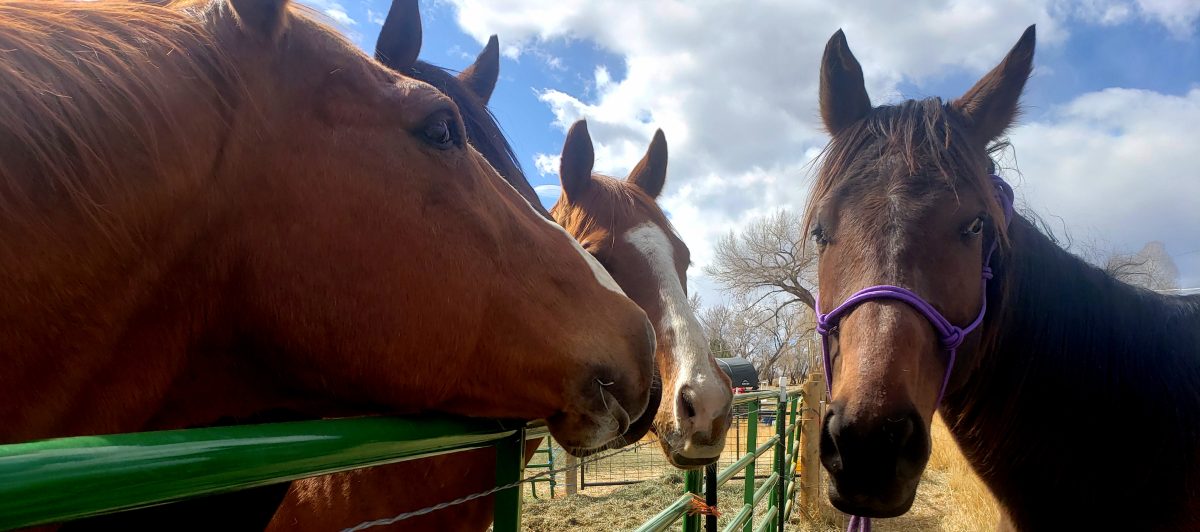


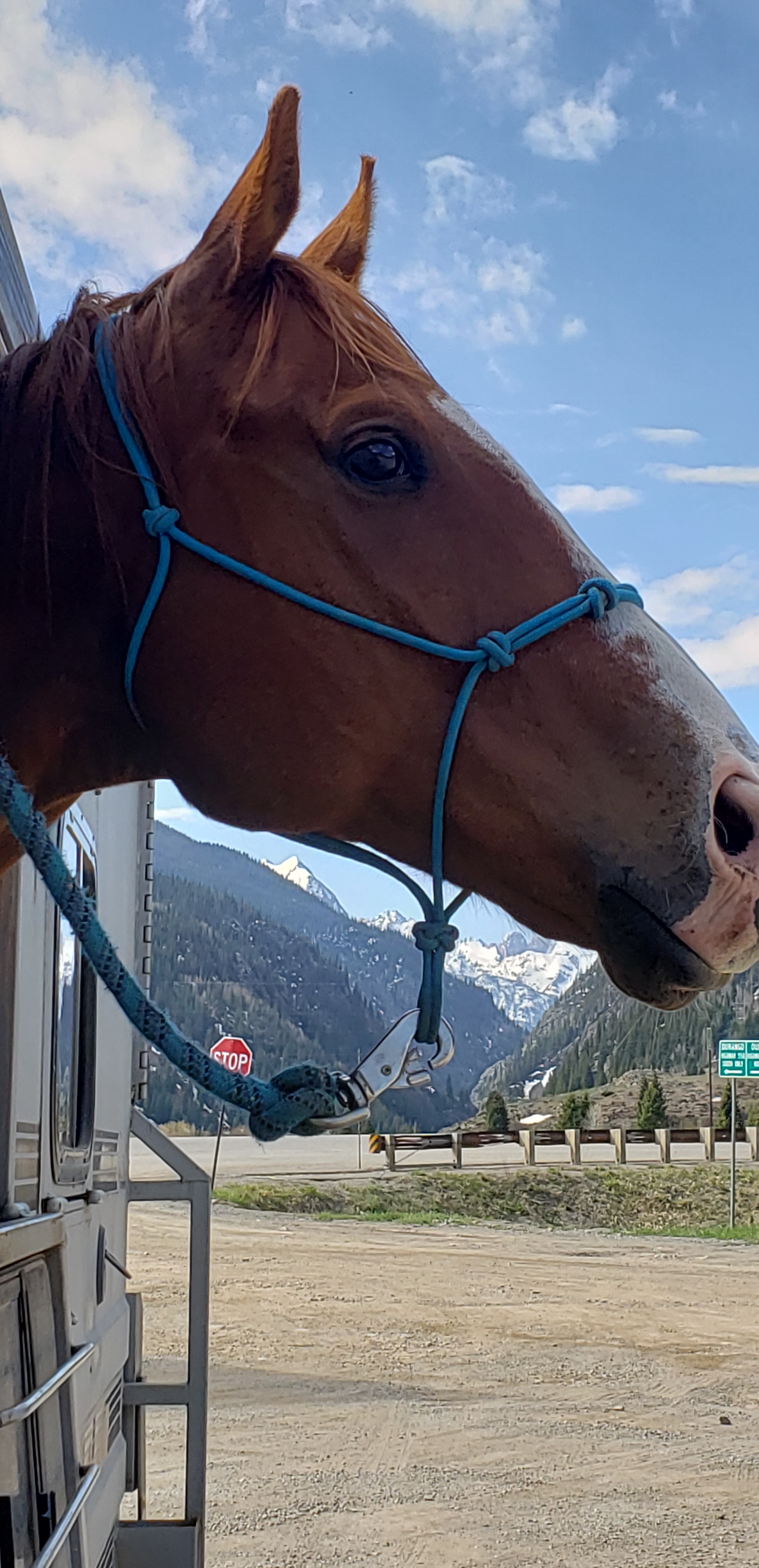
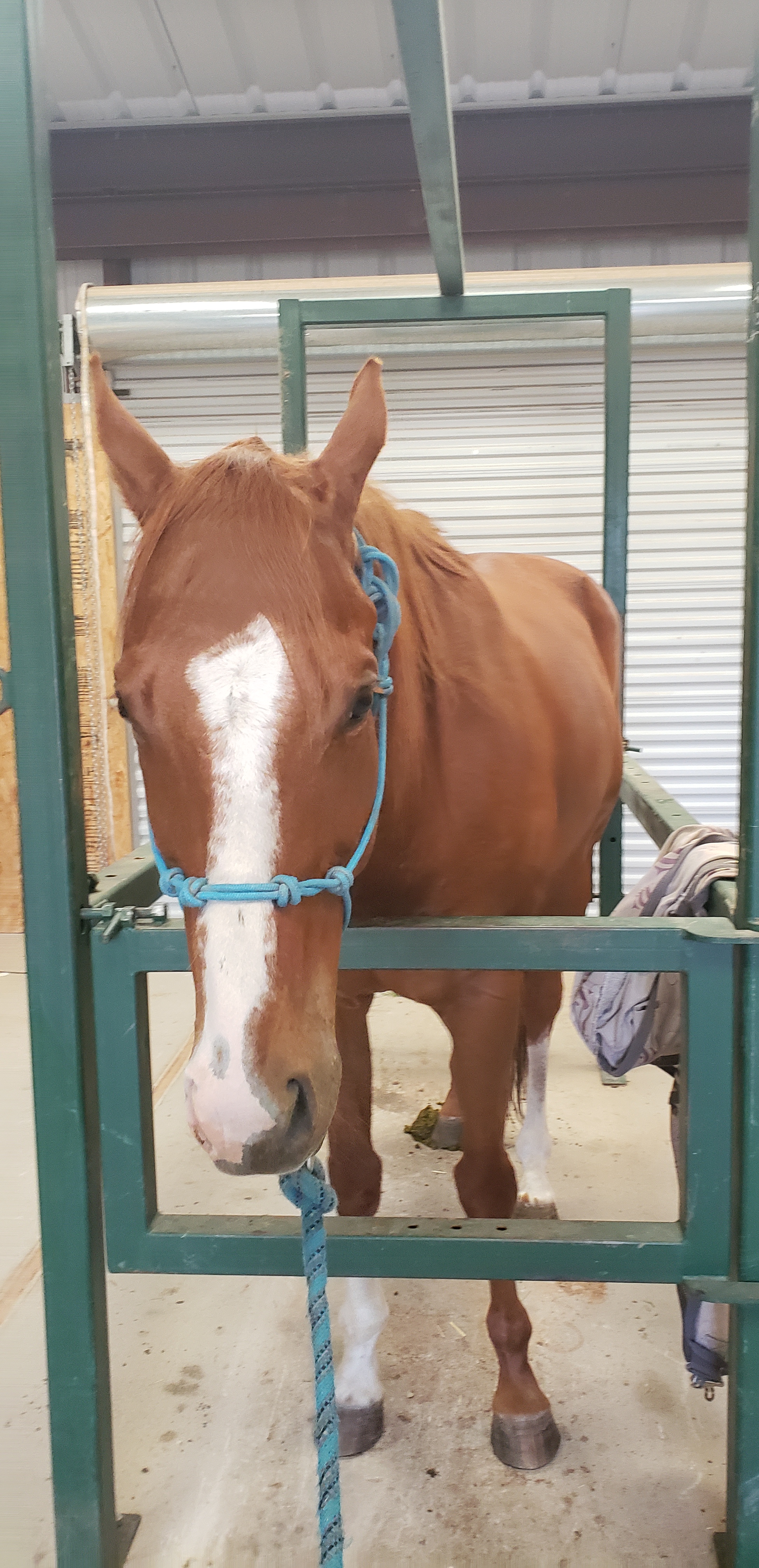


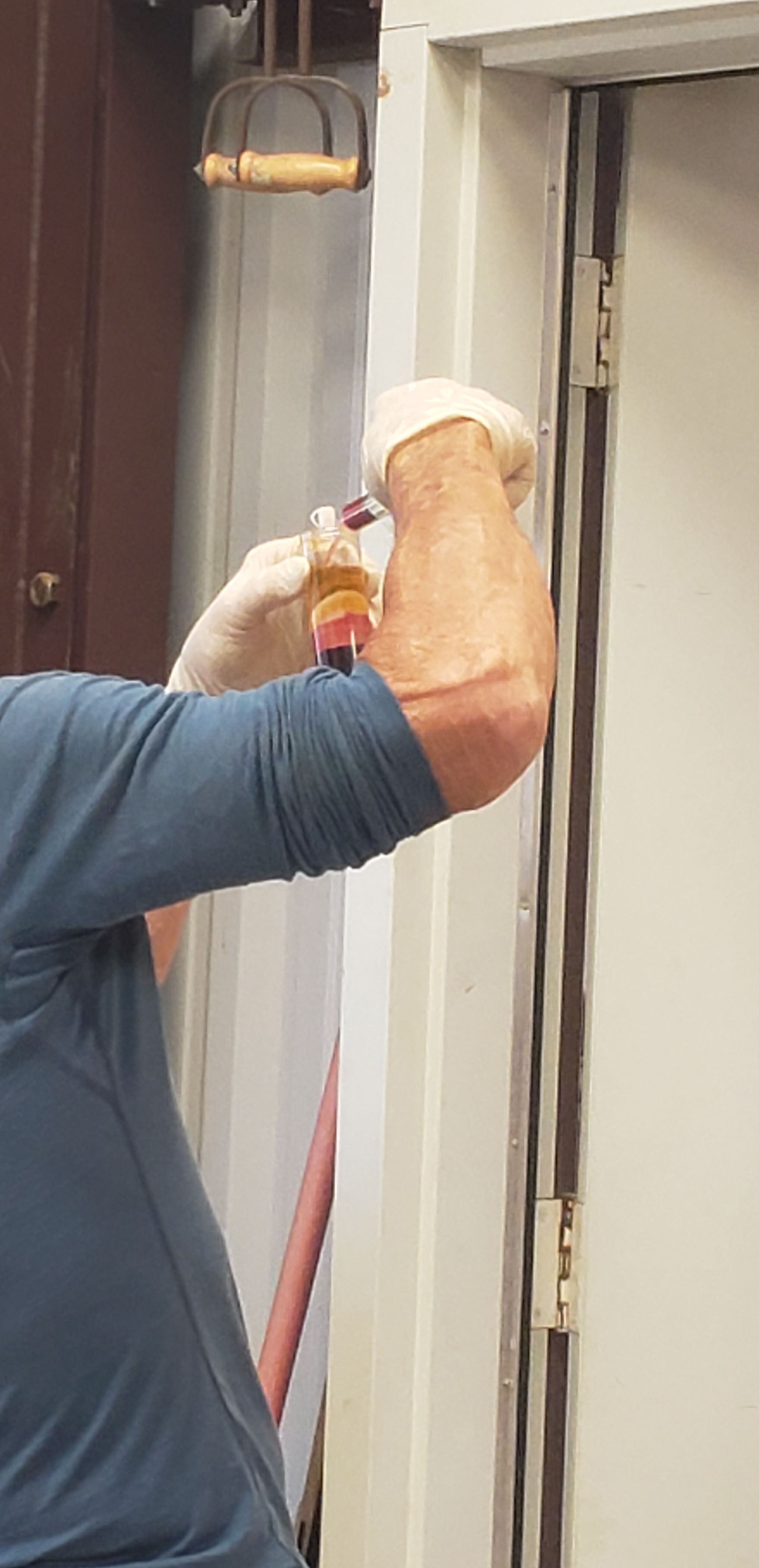
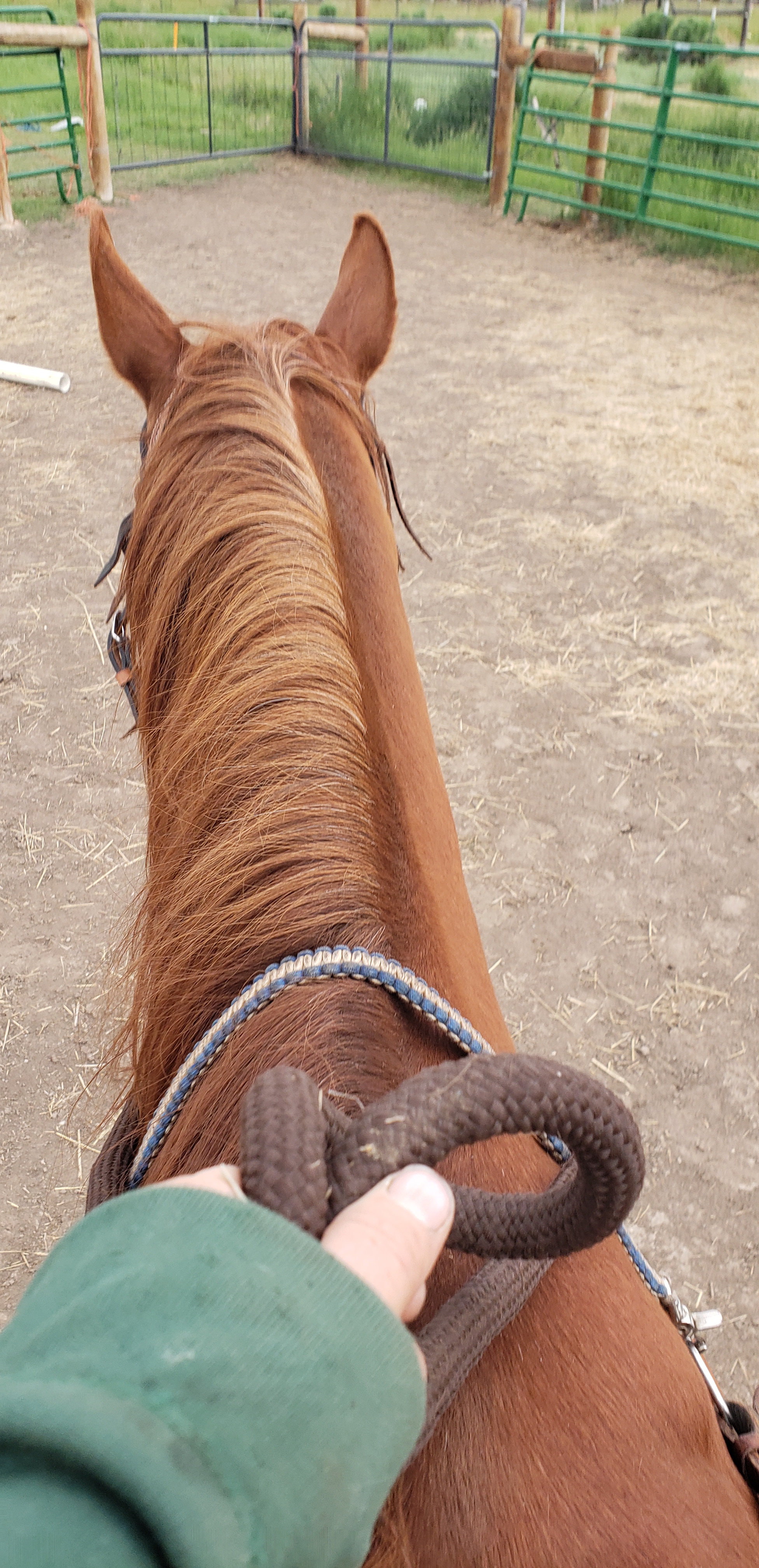

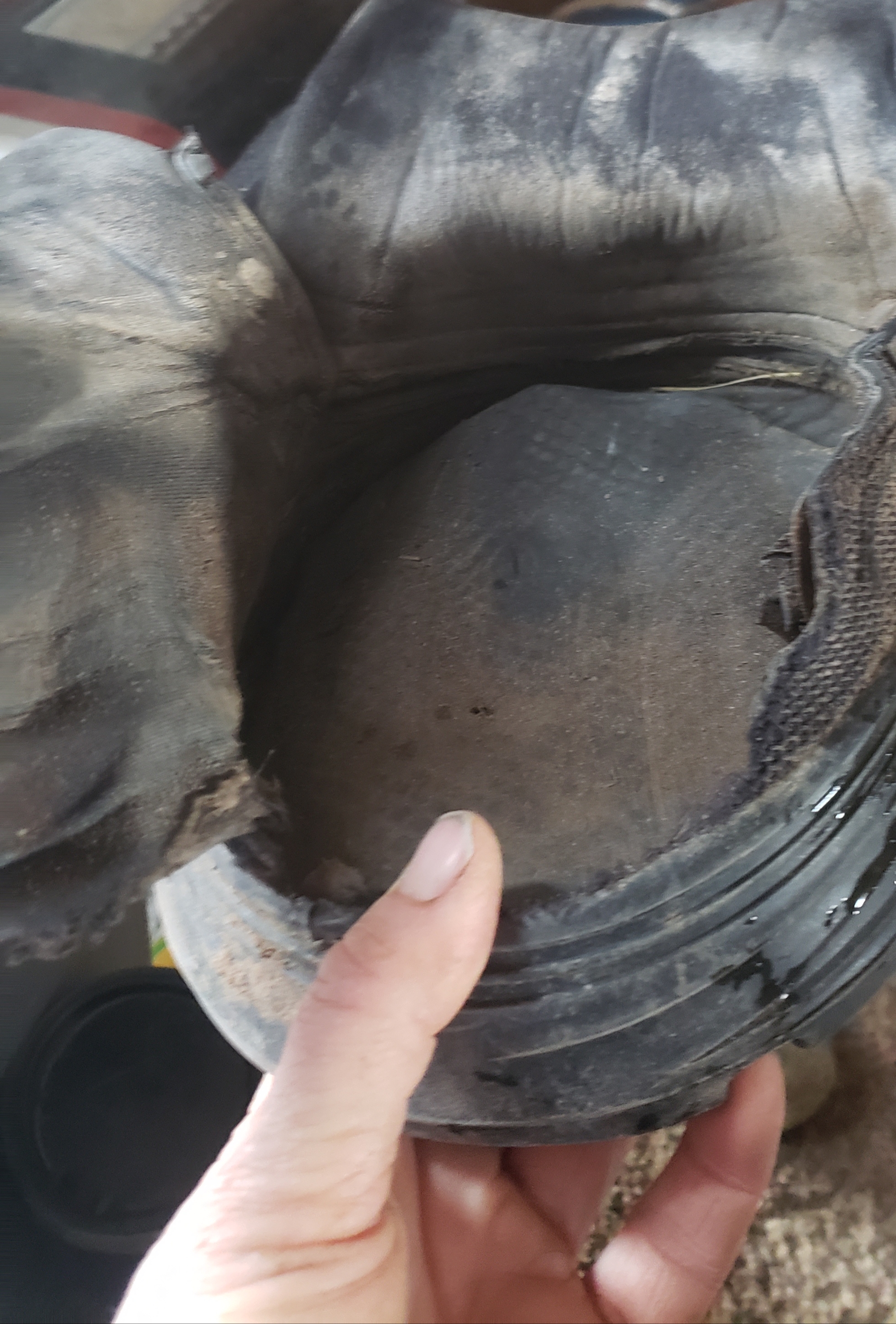
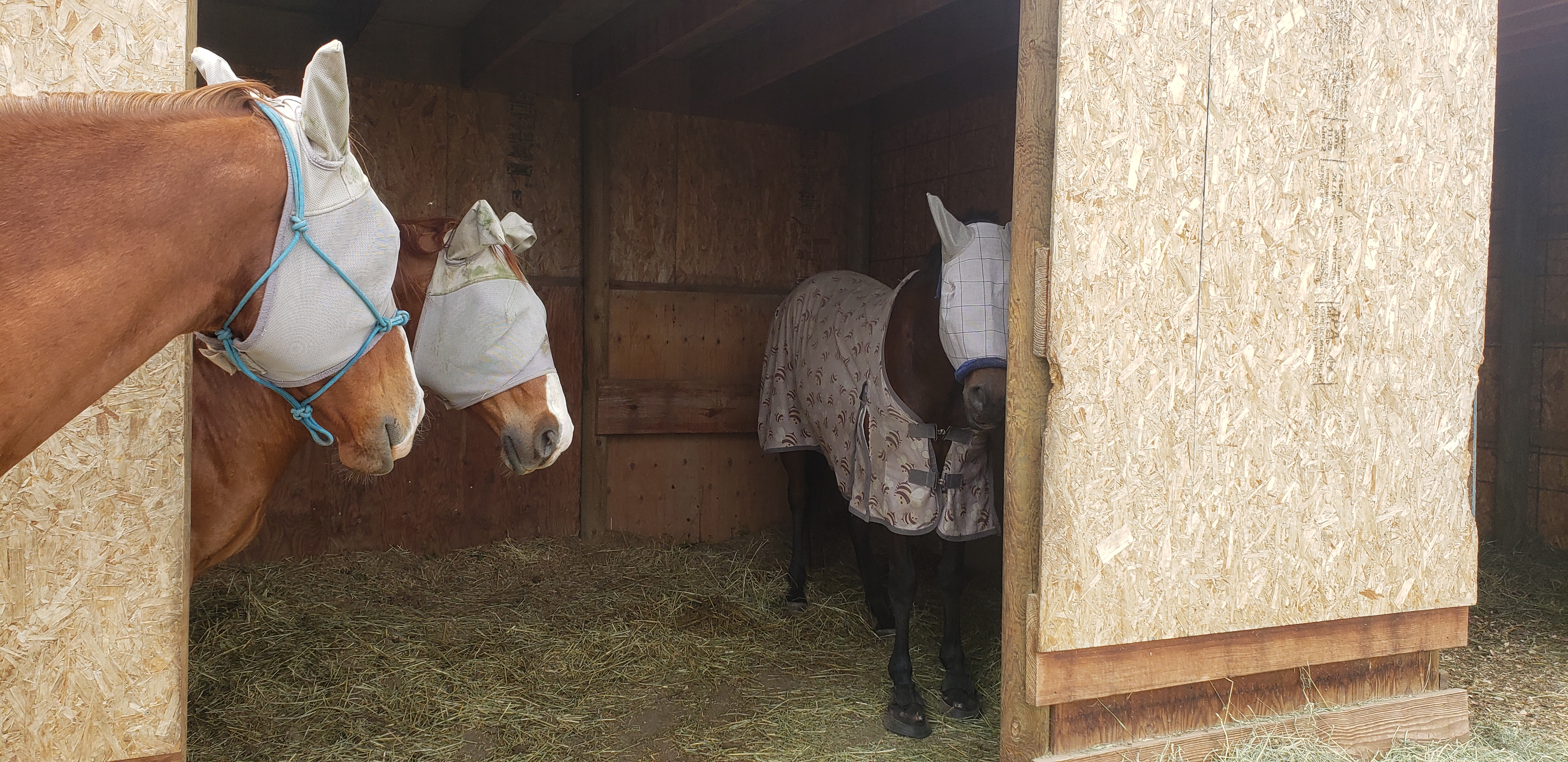

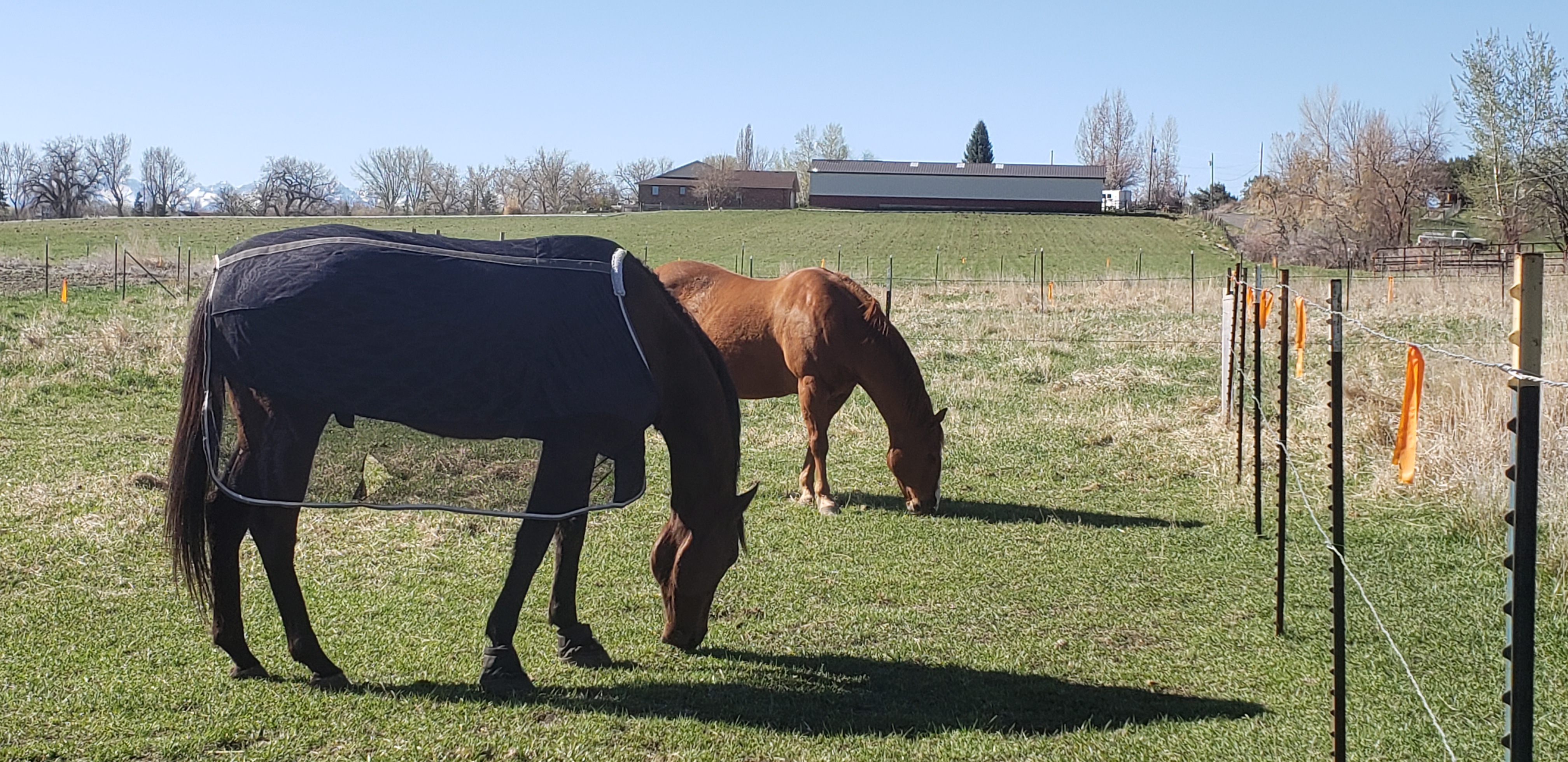
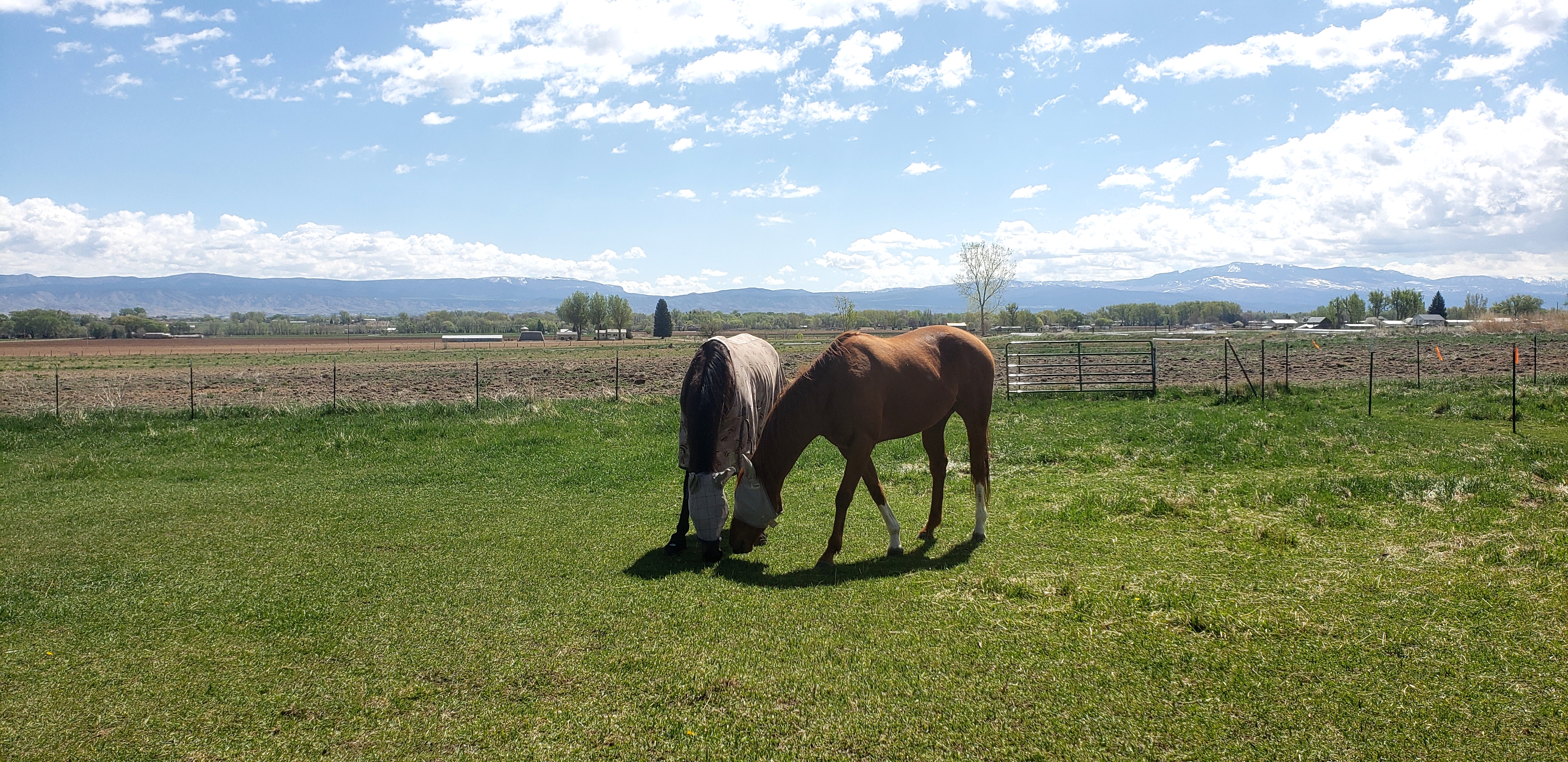

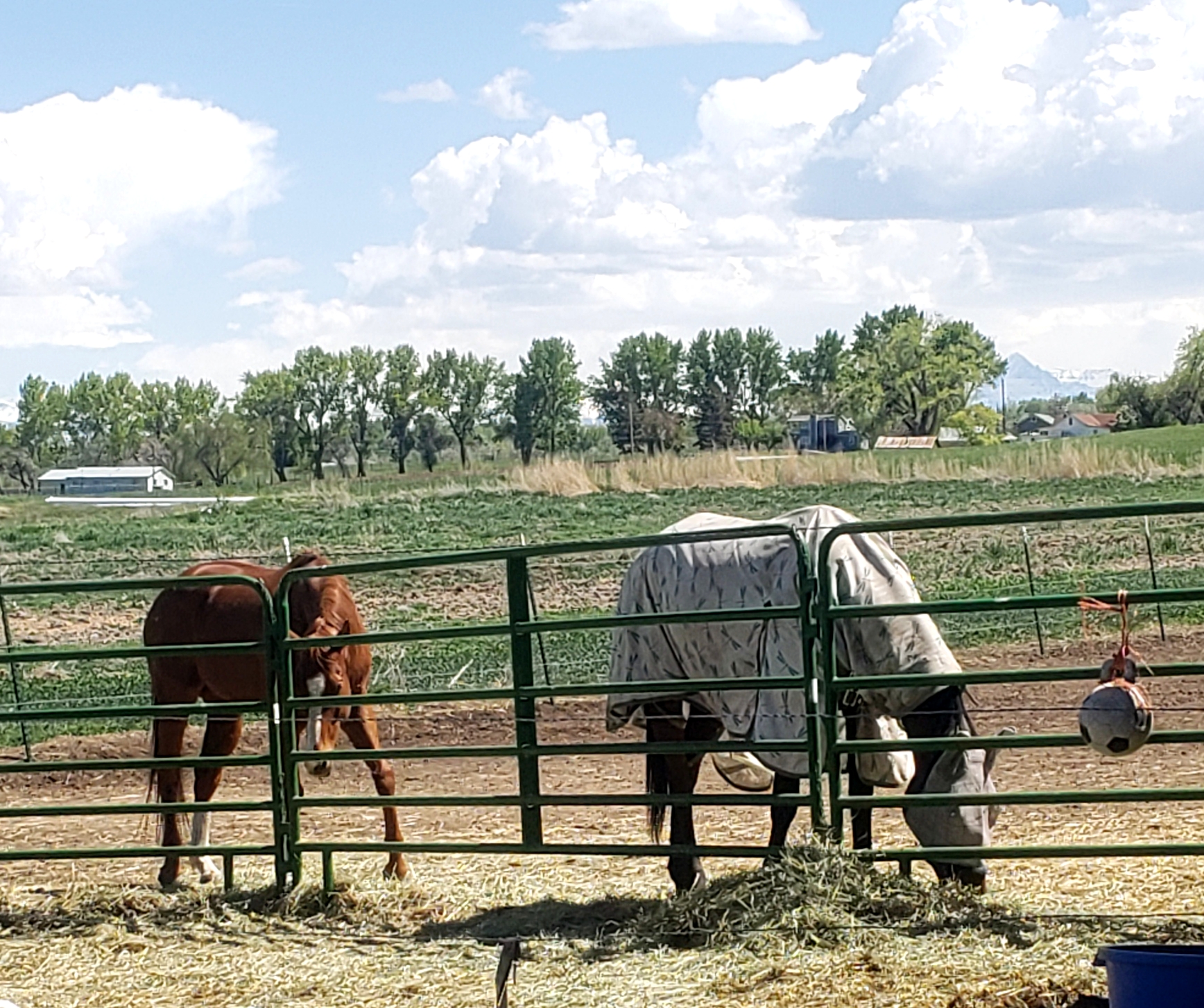

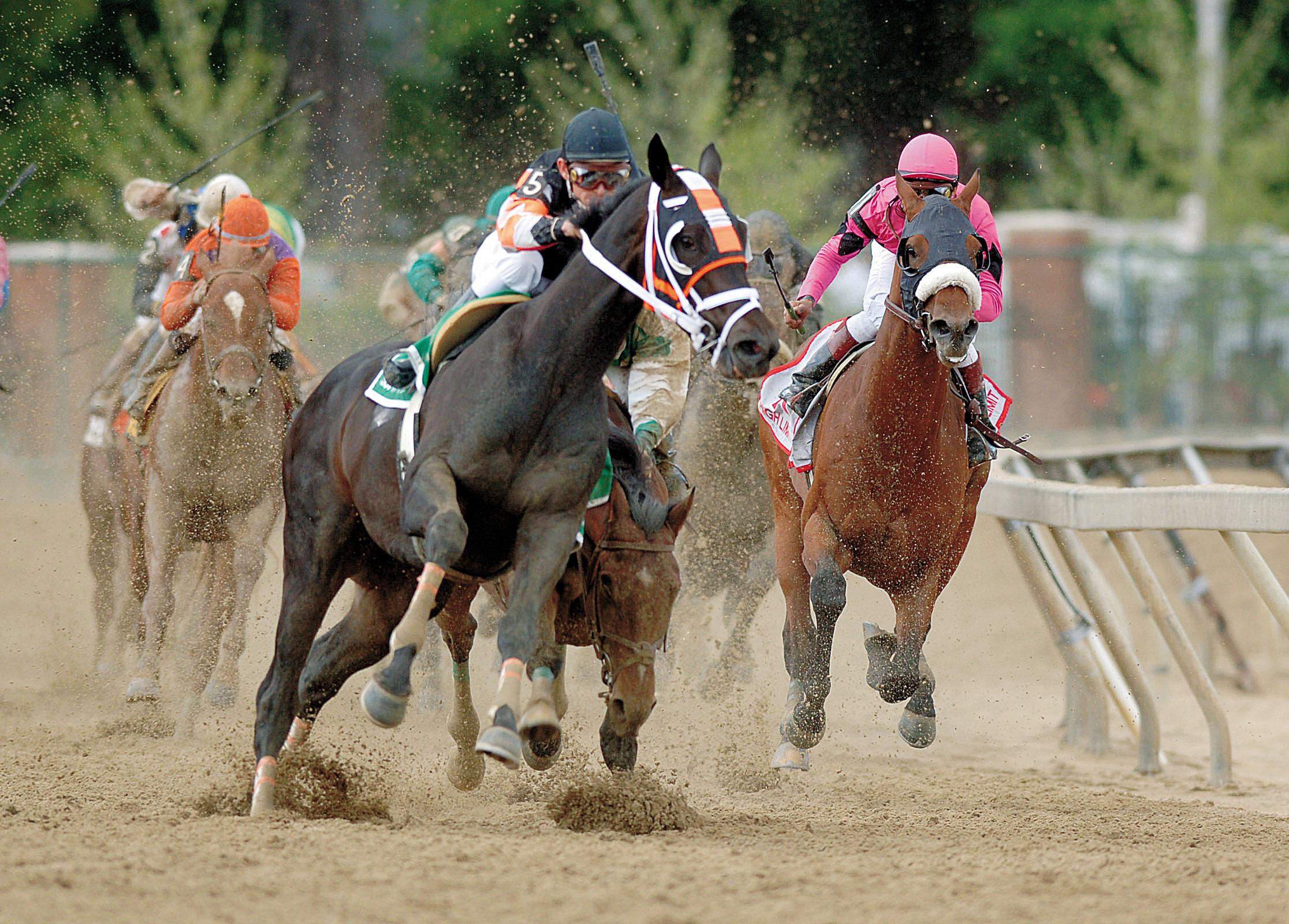

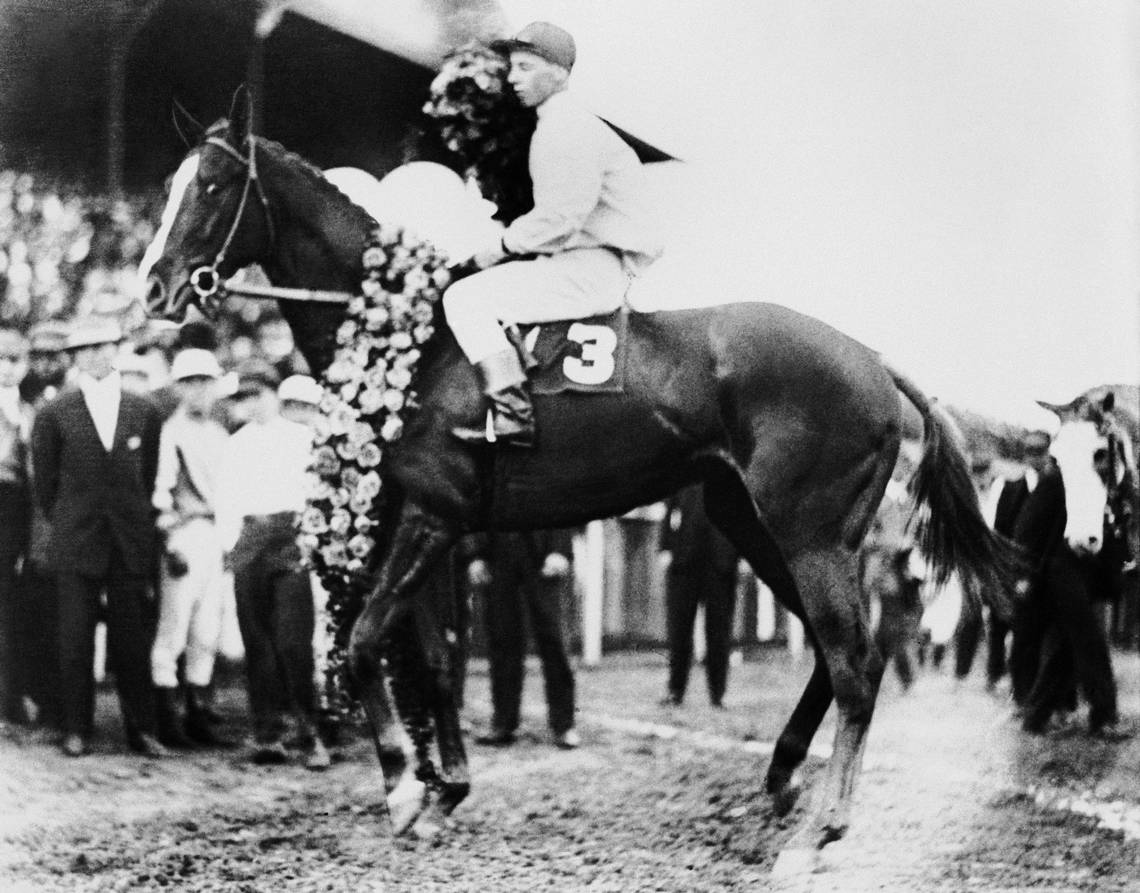
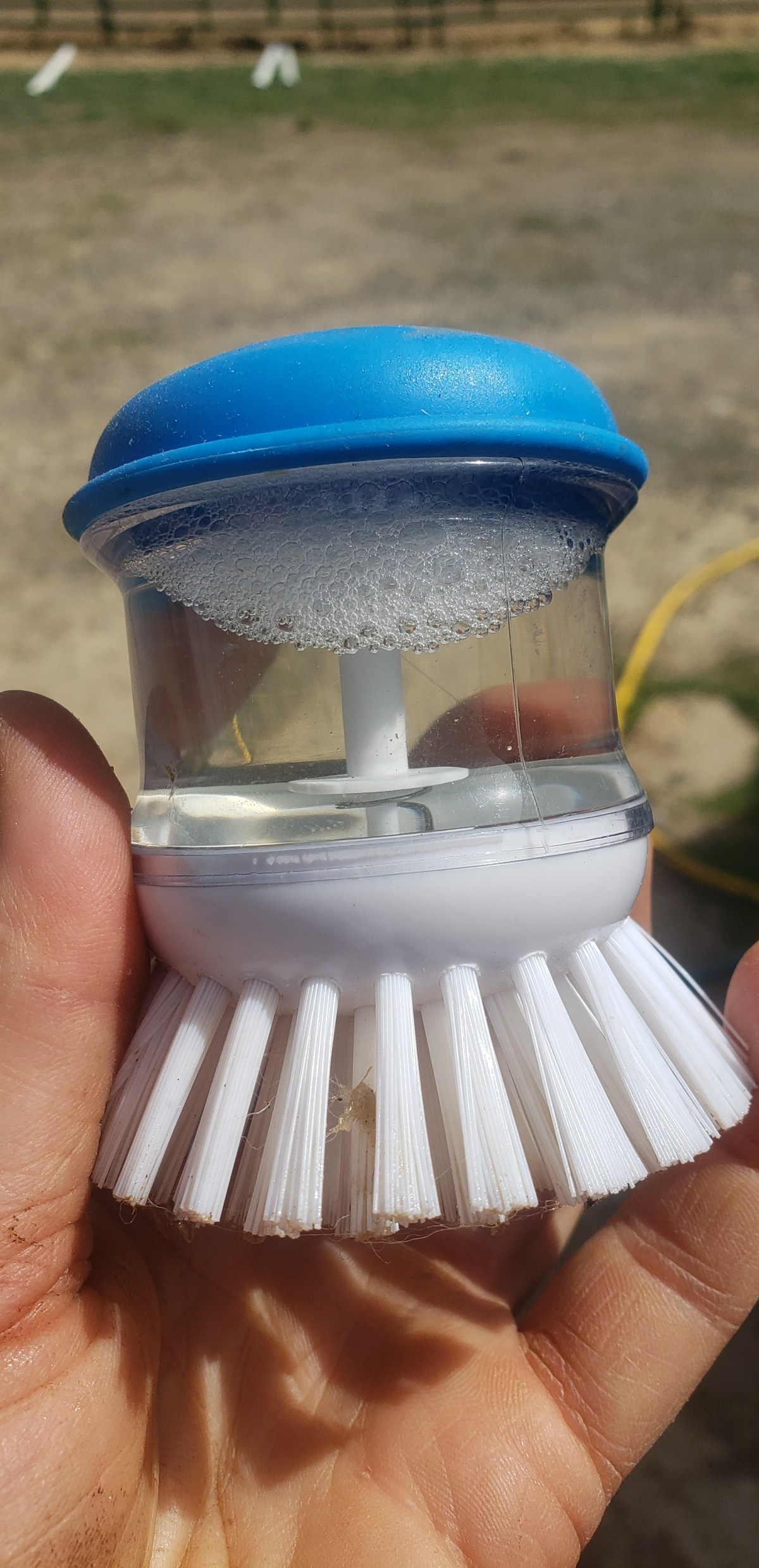


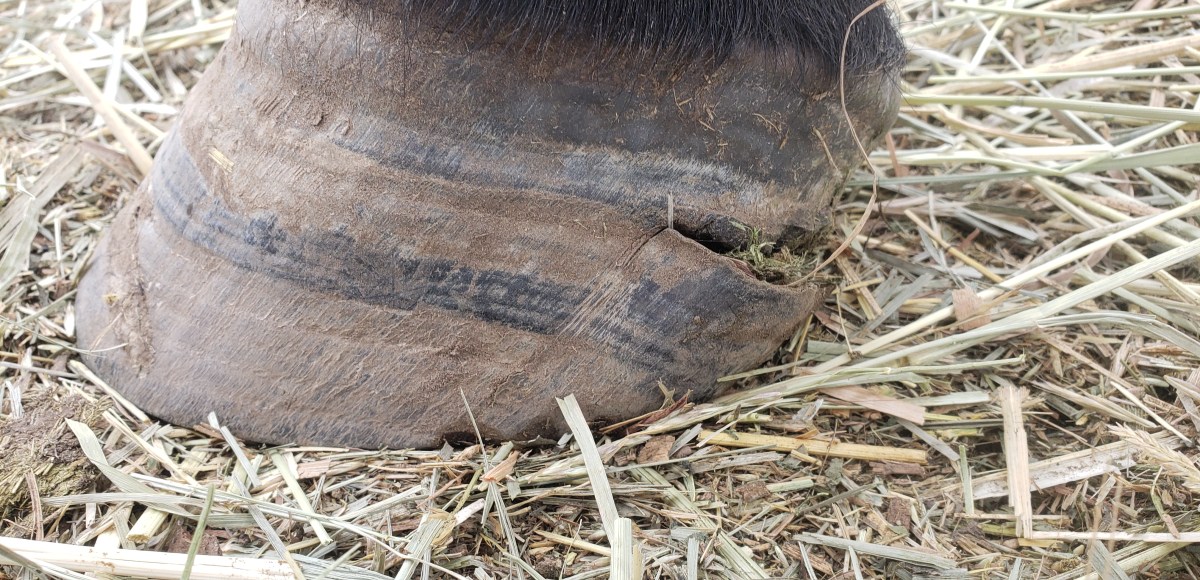
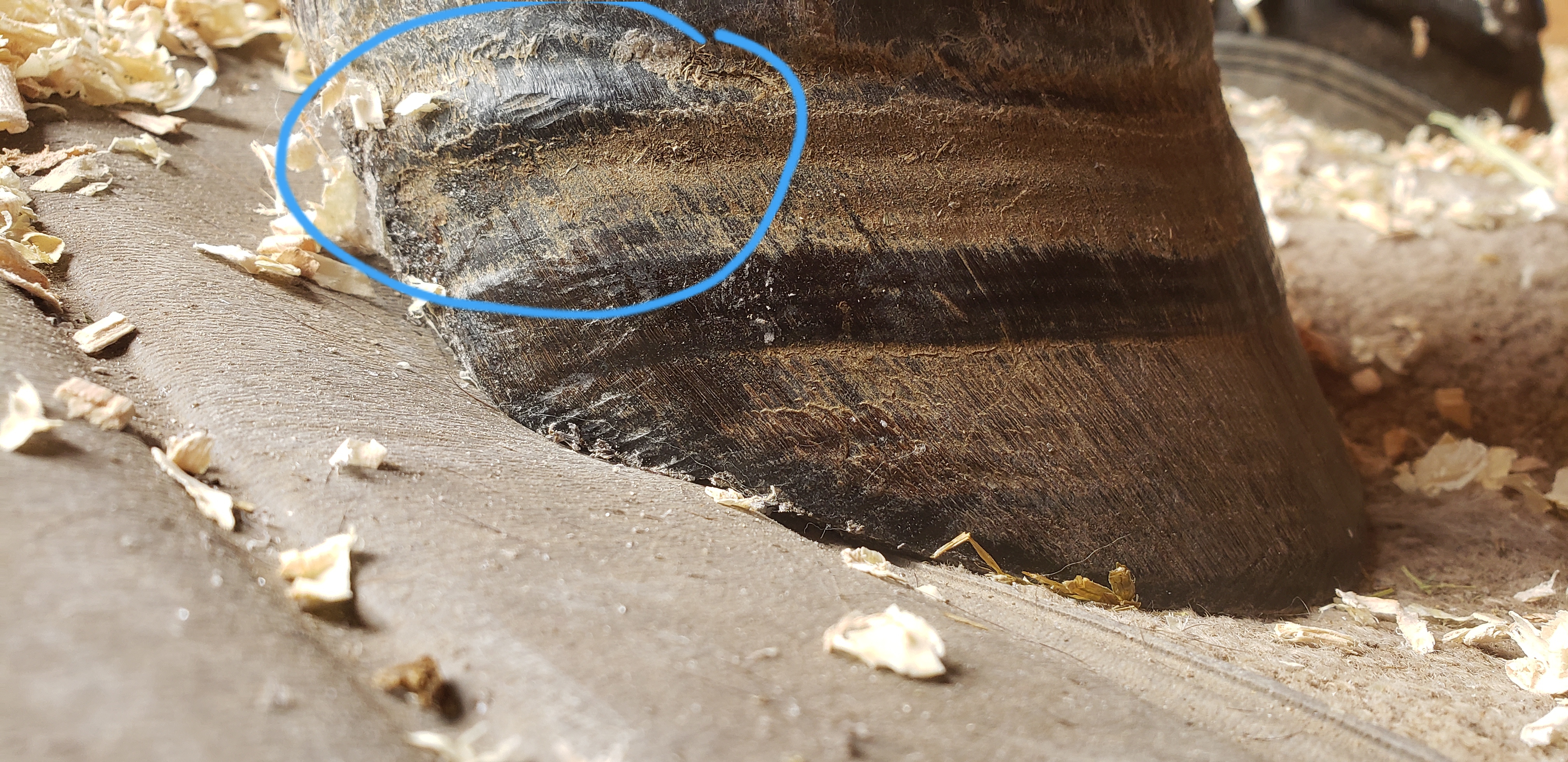
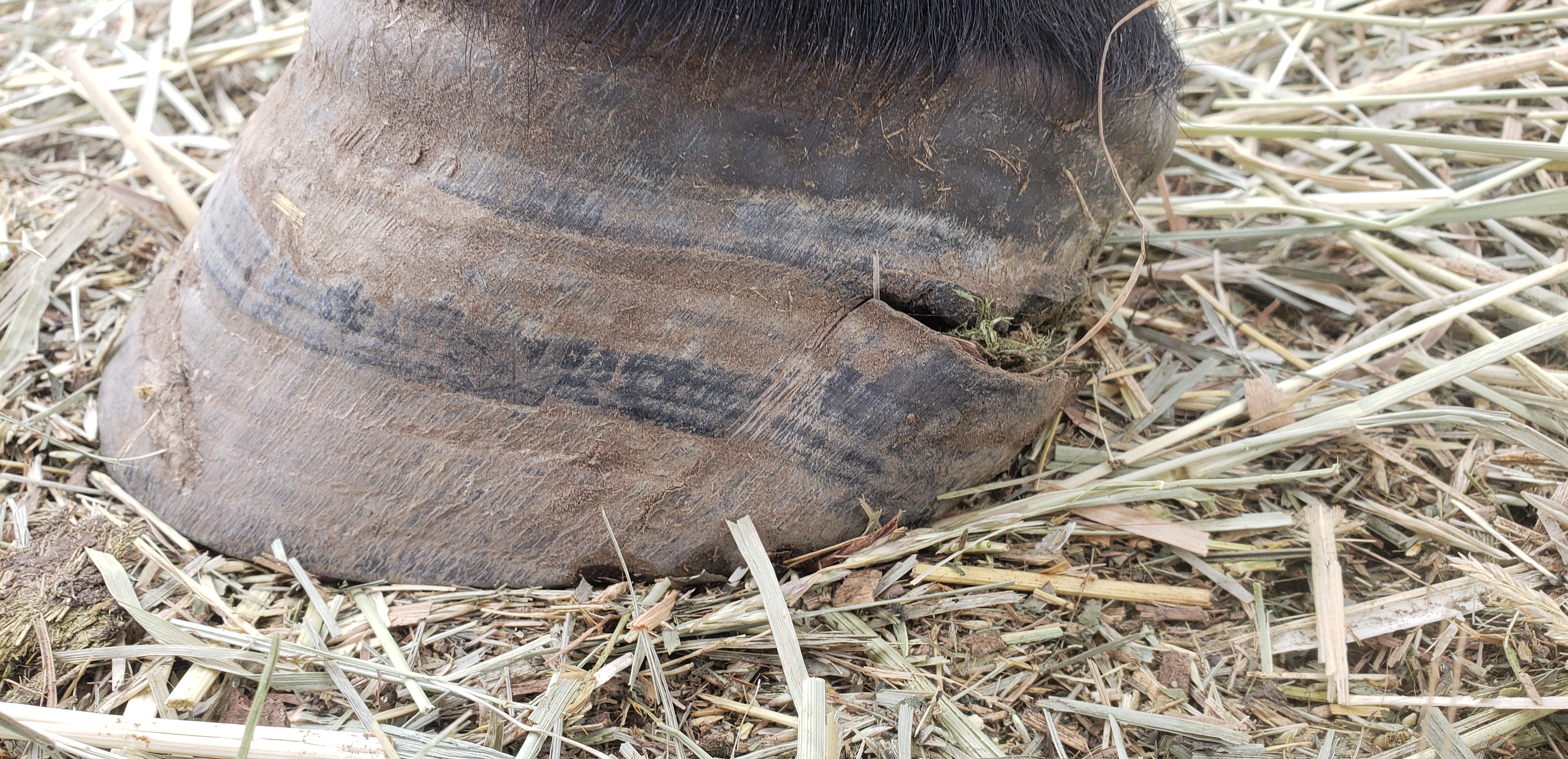
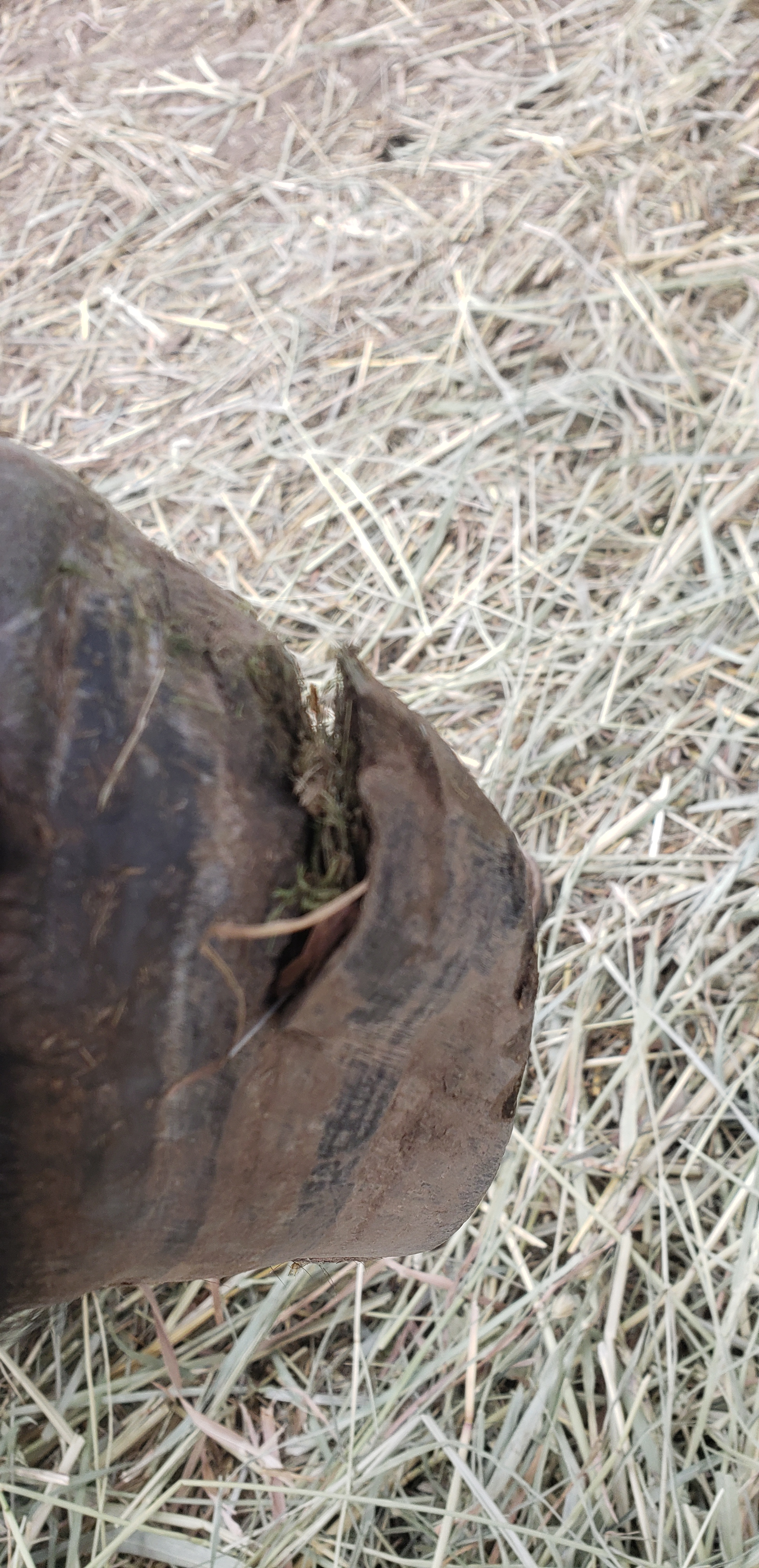

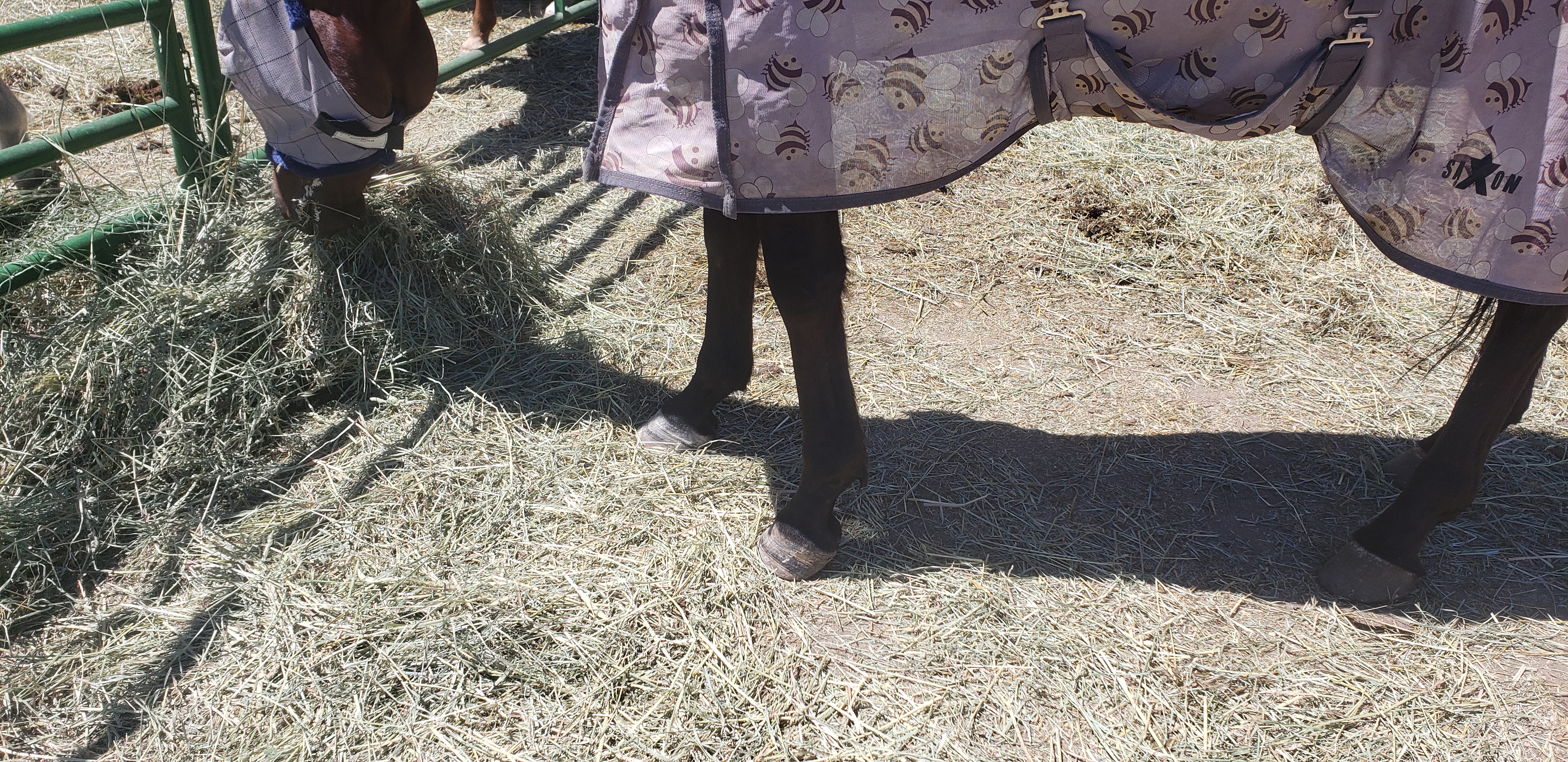
 Reenchanted Thoroughbreds